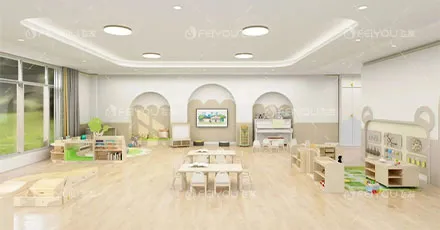
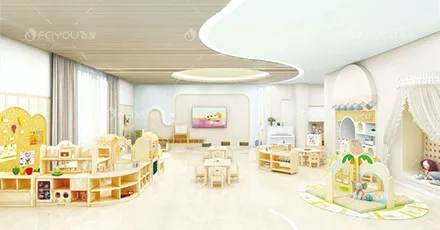
You walk into a preschool classroom and feel it immediately—a sense of calm, warmth, and invitation. The children are focused, engaged, and at ease. The space feels alive, not sterile. This is not magic. It is biophilic design: the intentional integration of nature into the built environment.
The concept is rooted in biologist E.O. Wilson's “Biophilia Hypothesis,” which suggests that humans are genetically attracted to nature and need a connection with it to enhance their emotional and physical well-being. For young children, whose brains are developing at an extraordinary rate, this connection is especially powerful. Research published in the International Journal of Early Childhood Environmental Education shows that nature-rich learning environments promote positive learning behaviors, healthy peer relationships, and a calm, focused atmosphere. A 2025 study found that biophilic design significantly enhances children's interactions with natural elements, suggesting deeper cognitive connections with the natural world.
The encouraging fact is that integrating biophilic design into preschool classroom spaces does not require hefty renovation spending or hiring a professional architectural firm. Budget-conscious preschools can still put this design philosophy into practice via multiple viable approaches. This guide compiles a host of actionable, budget-friendly tactics — most costing even less than regular purchases of kindergarten furniture and decoration supplies — to help you revamp learning zones into immersive nature-inspired educational environments.
What Is Biophilic Design—And Why Does It Matter for Young Children?
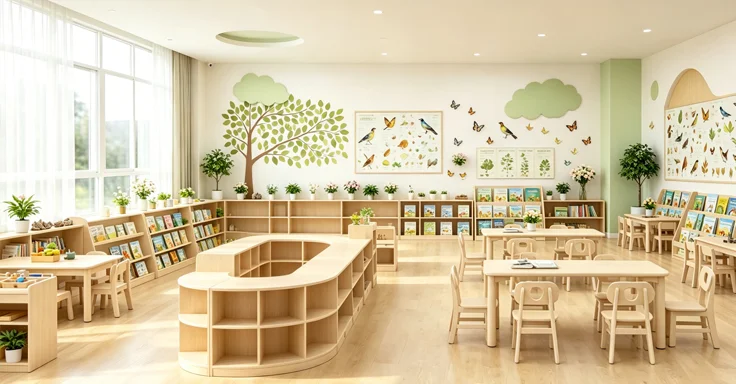
Biophilic design is the purposeful integration of nature into the built environment. It is not about decorating with a few leaf-shaped posters. It is about creating spaces that connect children to the natural world through direct nature (plants, water, light), indirect nature (natural materials, colors, patterns), and space-and-place relationships (openness, refuge, flow).
Why it matters for preschoolers:
| Benefit |
Evidence |
| Reduced stress |
Biophilic elements lower allostatic load and support attentional focus |
| Improved attention |
Biophilic design increases visual attention in indoor environments |
| Enhanced learning |
Children in nature-rich settings are more prepared for formal schooling |
| Cognitive development |
Natural elements support encoding and content retention |
| Emotional well-being |
Connection to nature reduces anxiety and improves mood |
A 2025 study investigating four biophilic design elements—water, plants, animals, and ecosystems—found they positively affect the physical, mental, and social well-being of kindergarten children. Research also shows that green plants can help restore students' attention, emotional regulation, and learning abilities through involuntary attention mechanisms.
What this means for your classroom: Biophilic design is not just about aesthetics. It is about creating an environment where children feel safe, focused, and ready to learn—and the research backs this up.
When early childhood education institutions plan classroom environments aligned with kids’ developmental needs, analyzing spatial layout and age-group classification is a key prerequisite for choosing suitable kindergarten furniture and carrying out biophilic design schemes.
The Low-Cost Biophilia Framework—Five Strategies That Work
Biophilic design does not require expensive renovations. A study from the Children & Nature Network suggests there are “numerous affordable retrofit strategies to introduce biophilic design into existing schools”. Here are five low-cost strategies to get started.
Strategy 1: Bring in Plants—Real Ones
Plants are the most accessible and impactful biophilic element. They purify air, reduce stress, and create a calming atmosphere. Research found that students showed improved health scores when indoor plants were placed in classrooms.
Low-cost plant strategies:
-
Start with clippings: Ask families to share clippings from their houseplants. This costs nothing and builds community.
-
Choose low-maintenance varieties: Snake plants, spider plants, and pothos thrive in classroom conditions with minimal care.
-
Involve children in care: Assign classroom jobs—watering plants, checking soil, wiping leaves—to build responsibility and connection.
Estimated cost: $0–$30 (clippings are free; a few small plants from a nursery cost $5–$15 each).
Strategy 2: Replace Plastic with Natural Materials
One of the simplest biophilic interventions is swapping plastic storage and materials for natural alternatives. Natural materials like wood, stone, shells, and fibers create multisensory experiences that plastic cannot replicate.
Low-cost material swaps:
| Plastic Item |
Natural Alternative |
Cost |
| Plastic storage bins |
Woven baskets, seagrass baskets |
$0–$5 (thrift stores, donations) |
| Plastic manipulatives |
Pebbles, acorns, seashells, wooden counters |
Free (nature walks) |
| Plastic containers |
Wooden bowls, ceramic dishes |
$0–$3 (garage sales) |
| Synthetic rugs |
Jute, wool, or cotton rugs |
$10–$30 (secondhand) |
Many natural items can be found on nature walks or provided by families. Baskets are low to no cost through donations, Goodwill, and similar sources.
Estimated cost: $0–$50 (most items can be sourced for free or very inexpensively).
Strategy 3: Optimize Natural Light
Natural light is one of the most powerful biophilic elements—and it costs nothing to use. Studies show natural light can reduce stress, improve attention span, and enhance student productivity and mood. Dimly lit classrooms can add to students' feelings of lethargy or tiredness, reducing their interest and focus.
Low-cost lighting strategies:
-
Open blinds and curtains: Let sunshine into the room whenever possible.
-
Reposition furniture: Move reading corners and activity areas closer to windows.
-
Replace harsh bulbs: Swap fluorescent lights with warm, soft lighting if your classroom has little natural light.
-
Add lamps: Table lamps, twinkle lights, and LED candles create softer, more inviting light than overhead fixtures.
Estimated cost: $0–$20 (if purchasing warm bulbs or a small lamp).
Strategy 4: Choose Nature-Inspired Colors
Color is a low-cost, high-impact way to bring biophilic design into your classroom. Earth tones—greens, browns, warm neutrals—create a calm, grounded atmosphere. Colors like greens and browns across the classroom will create a seamless biophilic environment.
Low-cost color strategies:
-
Paint one accent wall: A single wall in a soft green or warm earth tone costs $30–$50.
-
Add color through textiles: Rugs, pillows, and curtains in nature-inspired colors.
-
Use removable decals: Peel-and-stick wall decals (trees, leaves, landscapes) are low-commitment and affordable.
-
Incorporate student art: Nature-themed artwork created by children adds color and ownership.
Estimated cost: $10–$50 (depending on paint or textiles).
Strategy 5: Create Nature-Themed Learning Centers
Incorporate natural elements into existing learning centers to create a cohesive biophilic environment.
Learning center ideas:
| Center |
Natural Addition |
Cost |
| Math |
Pebbles, acorns, seashells for counting and sorting |
Free |
| Blocks |
Wooden blocks, large stones, branch builders |
$0–$10 |
| Reading |
Nature-themed books, tree-shaped bookshelf |
$0–$20 |
| Science |
Shells, tree parts, cocoons, bird nests |
Free |
| Sensory |
Dried beans, rice, pinecones, pebbles in bins |
$0–$10 |
The key is to change materials often so children always have something new to explore.
Estimated cost: $0–$30 (most materials can be collected for free).
What this means for your classroom: You do not need to implement all five strategies at once. Start with one—perhaps plants or natural materials—and build from there. Even small changes make a difference.
Real-World Examples—Preschools That Did It on a Budget
Case Study: Flowers Early Learning—Millburg Campus
When Flowers Early Learning purchased their new school building, transforming a traditional playground into a nature-based outdoor classroom remained a dream. Their funding was allocated to essential services, leaving limited flexibility for large-scale projects.
Guided by the 10 Principles of the Nature Explore program—and with virtually no budget—they leaned on creativity, community, and commitment. They received tree cookies and stumps, shaped a berm using on-hand materials, turned donated tires into play elements, and gathered fallen limbs for fort-building.
The result? Children and families held baby chicks, built forts, and found quiet moments beneath shade trees. The program later received a grant to expand their garden, but the initial transformation happened with almost no financial investment.
Key takeaway: Creativity and community can achieve what money alone cannot.
Case Study: A Nature-Based Preschool Design
A study on nature-based preschool design found that children attending preschools in natural settings are more prepared to learn when they reach formal school age than children from conventional schools. The research highlighted neural development, stress reduction, and enhanced cognitive abilities as key benefits.
Key takeaway: The investment in biophilic design—even on a small scale—pays dividends in children's development.
Overcoming Common Barriers—Space, Budget, and Buy-In
“My classroom has no windows.”
Even without windows, you can bring nature in. Use warm lighting (lamps, twinkle lights) to mimic natural light. Add plants that thrive in low light, like snake plants and pothos. Use nature-themed wall decals and artwork to create visual connections to the outdoors.
“I don't have a budget.”
Many biophilic strategies cost nothing. Nature walks provide free materials—leaves, stones, pinecones, sticks. Family donations can supply plants, baskets, and natural materials. Community partnerships can provide tree cookies, stumps, and other resources.
“My director/colleagues aren't convinced.”
Share the research. Studies show biophilic design reduces stress, improves attention, and enhances learning outcomes. Start small—a single plant or a nature-themed reading corner—and let the results speak for themselves.
For childcare facilities and preschool operators looking for expert support on classroom spatial optimization and safety compliance audits, we supply all-inclusive planning materials, among which practical assessment checklists help you complete standardized classroom environment inspections and finalize your layout schemes. Feel free to discover our full lineup of daycare furniture and tailor-made space design cases for educational premises.
From Ideas to Implementation—A 30-Day Plan
Transforming your classroom does not need to happen overnight. Here is a realistic 30-day plan to incorporate biophilic design without breaking the budget.
Week 1: Assess and plan
-
Walk through your classroom and identify areas that feel sterile or uninviting
-
Note which windows get natural light
-
List learning centers that could benefit from natural materials
-
Ask families for plant clippings, baskets, and natural items
Week 2: Add plants and natural light
-
Place 2–3 plants in key areas (reading corner, entry, near windows)
-
Open blinds and curtains fully
-
Reposition furniture to maximize natural light
-
Replace one harsh bulb with warm lighting
Week 3: Swap materials
-
Replace one plastic storage bin with a woven basket
-
Add natural materials to one learning center (stones to math, shells to sensory)
-
Introduce a nature-themed book to the reading corner
Week 4: Add color and decor
-
Add one nature-inspired textile (rug, pillow, or curtain)
-
Create a nature-themed display with children's artwork
-
Add twinkle lights or a small lamp for soft lighting
-
Plan a nature walk to collect materials for next month
Estimated total cost for 30-day plan: $30–$100 (less if you rely on donations and collected materials).
From Biophilic Design to a Complete Classroom Environment
By now, you have a comprehensive understanding of how to incorporate biophilic design in your preschool classroom without breaking the budget. You understand the research behind biophilic design and why it matters for young children's development—reduced stress, improved attention, and enhanced learning outcomes. You have five low-cost strategies: bringing in plants, replacing plastic with natural materials, optimizing natural light, choosing nature-inspired colors, and creating nature-themed learning centers. You have seen real-world examples of preschools that transformed their spaces with virtually no budget. And you have a 30-day plan to get started.
Your next steps:
-
Start small: Choose one strategy—perhaps adding a plant or swapping one plastic bin for a basket—and build from there
-
Involve families: Ask for plant clippings, baskets, and natural materials
-
Take a nature walk: Collect stones, pinecones, leaves, and sticks for learning centers
-
Open the blinds: Maximize natural light—it costs nothing
-
Document and share: Take before-and-after photos to build buy-in for future changes
With these strategies in hand, you can confidently transform your classroom into a nature-inspired learning environment. The research is detailed: biophilic design supports children's development. And the good news is that it does not require a large budget—just creativity, commitment, and a willingness to start small.
Related Reading
-
The Science of Non-Toxic Wood Finishes for Kids
-
Best Kindergarten Furniture Ideas for Modern Classrooms
-
Custom ODM Kindergarten Furniture for Your Theme
-
Space Planning for Mixed-Age Classrooms: Tables, Chairs, and Storage Guidelines
-
Emergency Preparedness: How Furniture Choice Affects Evacuation Speed and Safety






 English
 Español