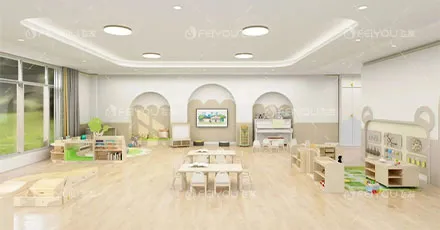
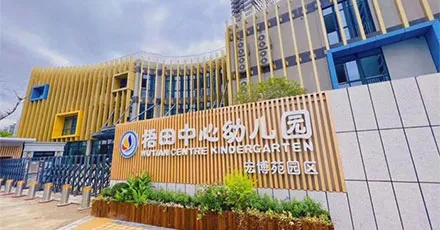
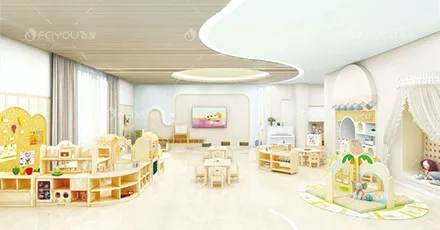
Walk into a childcare center designed a decade ago, and you might find brightly colored walls, uniform furniture, and a layout that feels more institutional than inviting. Walk into a thoughtfully designed modern center today, and the difference is striking: natural light floods open spaces, organic shapes replace sharp corners, and the environment itself feels like a teacher—calm, engaging, and alive.
This transformation reflects a fundamental shift in how we understand the relationship between children and their physical surroundings. Since the beginning of 2025, designers have pushed boundaries, pairing evidence-based practice with fresh ideas to meet regulatory requirements while also responding to rising sustainability expectations. Architects are moving beyond traditional classrooms into environments that are tactile, stimulating, and rooted in their specific contexts.
This guide explores the key interior design trends shaping modern childcare centers—from biophilic design and flexible spaces to sustainable materials and thoughtful furniture choices. Whether you are planning a new center or renovating an existing one, these trends will help you create spaces where children feel safe, calm, and ready to learn.
The Environment as the “Third Teacher”
At the heart of modern childcare design lies a powerful concept: the environment as the “third teacher”—after parents and classroom educators. This principle, rooted in the Reggio Emilia approach, holds that the physical space itself is a tool for education, encouraging children to learn and explore through direct physical engagement.
What this means in practice:
-
The built environment becomes an active participant in children's learning, not just a container
-
Well-designed spaces help children feel safe, calm, and confident, creating the foundation for meaningful learning
-
The environment communicates expectations: children learn how to move through it, how to make choices, and what’s expected without needing constant direction
Design strategies that embody this principle:
| Strategy |
Description |
Example |
| Tactile exploration |
Spaces that invite touch and manipulation |
Natural materials, textured surfaces |
| Scale and proportion |
Furniture and spaces scaled for children |
Child-height windows, low shelves |
| Choice and autonomy |
Multiple activity zones children can choose from |
Quiet nooks, collaborative spaces |
| Transparency |
Visual connections between spaces |
Open layouts, glass partitions |
Designers are transforming interior spaces from simple containers into active, multi-sensory environments. This new typology rejects rigid, compartmentalized spaces in favor of flexible, integrated interiors that double as dynamic playgrounds.
For early education programs exploring how spatial layout and design affect children’s physical and psychological development, analyzing how classroom arrangement and mixed-age grouping impact the selection of kindergarten furniture delivers vital reference for space planning.
Biophilic Design — Bringing Nature Indoors
Biophilic design—the intentional integration of nature into the built environment—has emerged as one of the most significant trends in childcare center design. This approach is grounded in research showing that nature-rich learning environments promote positive learning behaviors, healthy peer relationships, and a calm, focused atmosphere.
Key biophilic elements in modern childcare centers:
-
Natural light: Large windows that flood spaces with daylight
-
Living materials: Wood paneling, indoor planters, and nature-themed murals
-
Indoor plants: Living greenery that purifies air and reduces stress
-
Organic forms: Leaf-shaped rugs, curved seating, and rounded edges
-
Outdoor connections: Courtyards, gardens, and open-air spaces as extensions of the classroom
The effects are measurable. Research from the Children & Nature Network has examined how biophilic design principles applied in childcare settings can create optimal environments for children's development. Projects that embrace biophilic design harmonize play-based learning with nature, offering children physical, mental, and social benefits.
Low-cost biophilic strategies:
| Strategy |
Implementation |
Estimated Cost |
| Add indoor plants |
Low-maintenance varieties (snake plants, pothos) |
$0–$30 |
| Maximize natural light |
Open blinds, reposition furniture |
$0 |
| Use natural materials |
Wood, stone, woven baskets |
$0–$50 (secondhand) |
| Nature-themed decor |
Wall decals, children's nature art |
$10–$30 |
For programs interested in deeper exploration of nature-inspired design, how to incorporate biophilic design in preschool classrooms without breaking the budget offers detailed guidance.
Flexible and Multi-Purpose Spaces
Modern childcare centers are moving away from rigid, single-purpose rooms toward flexible spaces that adapt to changing needs throughout the day. A single room might serve as a play space in the morning, a dining area at lunch, and a rest zone in the afternoon.
Key elements of flexible design:
-
Modular furniture: Pieces that can be easily rearranged or stored
-
Movable partitions: Room dividers that create different configurations
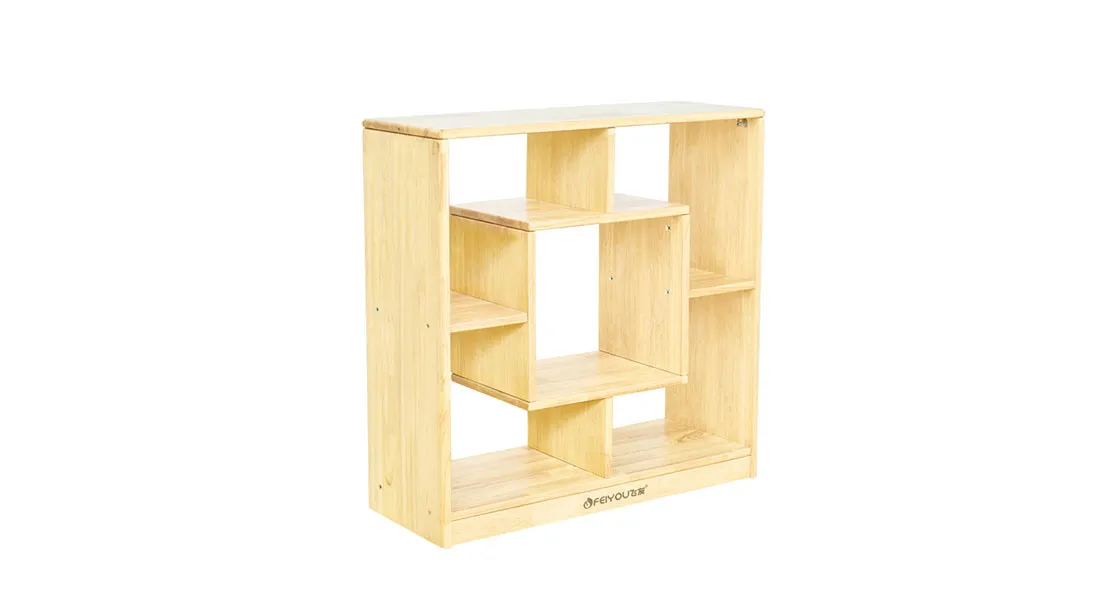
-
Multi-functional zones: Spaces designed for multiple activities
-
Future-proofing: Designs that anticipate changing needs and regulations
This adaptability ensures that the space remains functional as the needs of the children change. Flexible, future-proofed interiors balance structure with creativity, compliance with care.
Examples of flexible design features:
-
Folding tables and stackable chairs: Cleared quickly for floor activities
-
Rolling storage units: Moved to create different activity zones
-
Convertible furniture: Cribs that convert to toddler beds or desks that grow with the child
-
Open floor plans: Spaces that can be reconfigured without major renovations
For early education programs looking for flexible-layout-friendly kindergarten furniture, reviewing adaptable product ranges tailored to preschool learning spaces helps select highly versatile solutions.
Sustainable and Eco-Friendly Materials
Sustainability has become a central consideration in childcare center design. Parents and educators increasingly prioritize materials that are safe for children and responsible for the planet.
Sustainable materials gaining popularity:
| Material |
Benefits |
Applications |
| FSC-certified solid wood |
Responsibly sourced, durable, warm aesthetic |
Tables, chairs, shelving |
| Recycled materials |
Reduces waste, durable |
Upholstery, storage bins |
| Low-VOC finishes |
Healthier indoor air quality |
All wood furniture |
| Plywood from sustainable sources |
Lightweight, safe, meets strict standards |
Educational furniture |
| Oil palm wood |
Uses material otherwise discarded |
Specialty furniture |
The global kids furniture market is valued at USD 67.5 billion in 2025 and is projected to reach USD 338 billion by 2034. Key trends in the market include a shift toward eco-friendly and sustainable materials, innovative designs for multifunctional spaces, and customization options.
What to look for in sustainable furniture:
-
FSC certification: Guarantees wood was sourced from responsibly managed forests
-
Low or zero-VOC finishes: Reduces exposure to harmful chemicals
-
Solid hardwood over MDF/particleboard: Avoids formaldehyde-based glues
-
Recycled materials: Reduces environmental impact
For preschools prioritizing eco-friendly procurement, evaluating kindergarten furniture backed by formal safety and sustainability certifications allows you to source reliable, environmentally responsible manufacturers.
Color and Material Palettes — Moving Beyond Primary Colors
The days of overwhelming primary colors dominating every surface are fading. Modern childcare centers are embracing more sophisticated color strategies that create calm, focused environments while still engaging children.
Emerging color trends:
-
Neutral backgrounds: White or light walls that create a sense of calm and allow children's work and materials to bring color to the space
-
Warm, harmonious tones: Similar harmony in warm colors shows the highest preference
-
Strategic accents: Bright colors used purposefully—blue for concentration and relaxation, yellow for interaction, red for physical activity
-
RYB color model: Simple yet bold compositions inspired by children's drawings
-
Nature-inspired palettes: Earth tones, greens, browns that create a seamless biophilic environment
A study on color design in preschool interiors suggests the potential benefits of using bright and cool tones for background colors, complemented by vibrant hues such as blue, red, yellow, or orange for accents. This balanced approach creates visual interest without overwhelming children's senses.
Color psychology in childcare settings:
| Color |
Effect |
Best Used For |
| Blue |
Calming, aids concentration |
Quiet zones, reading areas |
| Yellow |
Enhances interaction, social connection |
Group activity spaces |
| Red |
Encourages movement and physical activity |
Gross motor play areas |
| Green |
Calming, connects to nature |
Throughout the space |
| Neutral whites/beiges |
Grounding, allows flexibility |
Walls, large surfaces |
Child-Scale and Ergonomic Furniture
Furniture designed for children—not adults—is a cornerstone of modern childcare design. Child-scaled furniture empowers children to access materials independently and move through spaces with confidence.
Key furniture considerations:
-
Appropriate height: Tables and chairs sized for children's proportions
-
Rounded edges: Safety first—no sharp corners
-
Lightweight design: Furniture children can move themselves (where appropriate)
-
Durability: Built to withstand years of daily use
-
Easy-clean surfaces: Essential for hygiene in childcare settings
The preschool furniture market reflects growing demand for ergonomic features, modular and flexible designs, eco-friendly materials, and engaging learning spaces.
Furniture types shaping modern childcare centers:
-
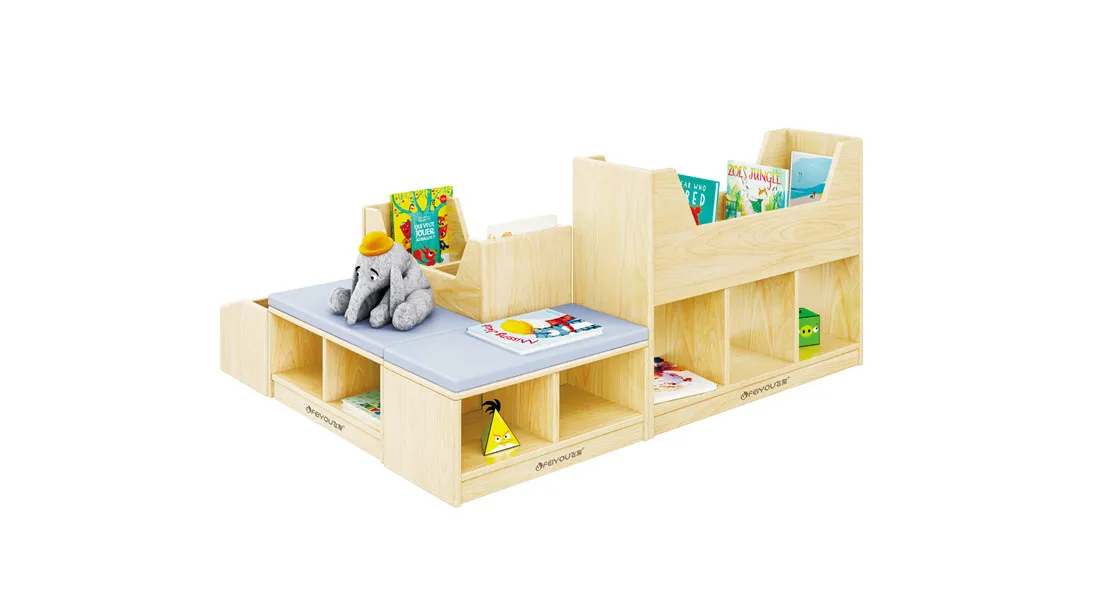
Modular seating systems: Pieces that can be connected and stacked in countless configurations
-
Adjustable tables: Heights that grow with children
-
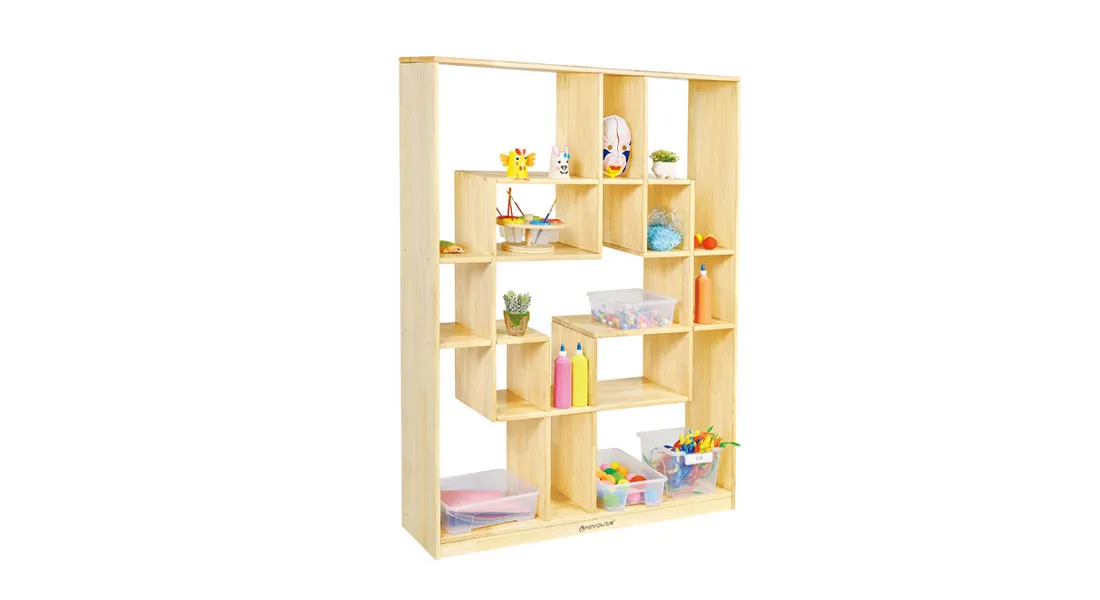
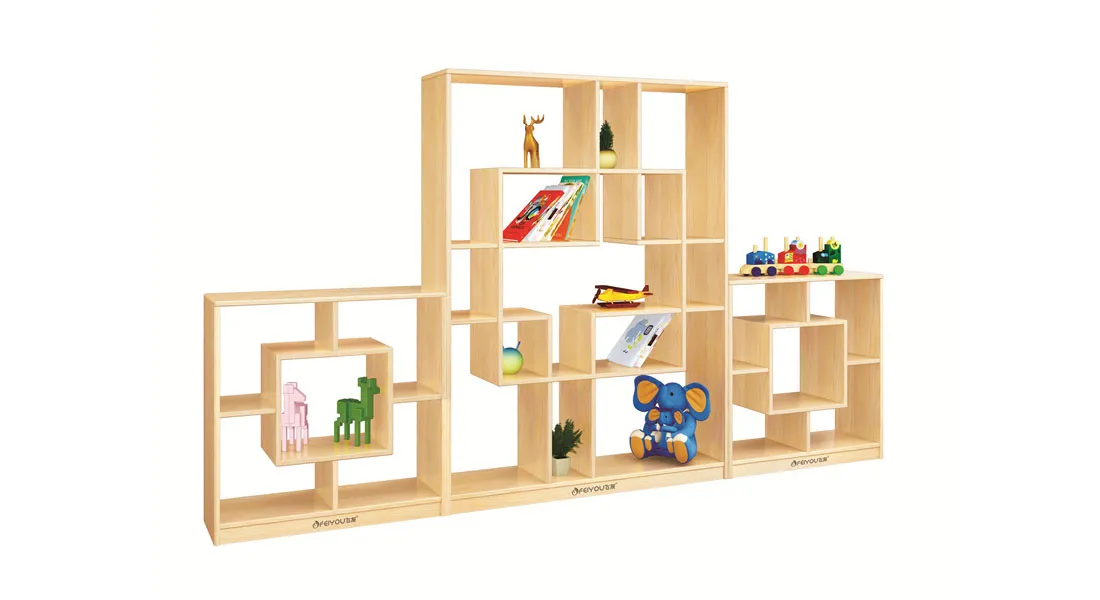
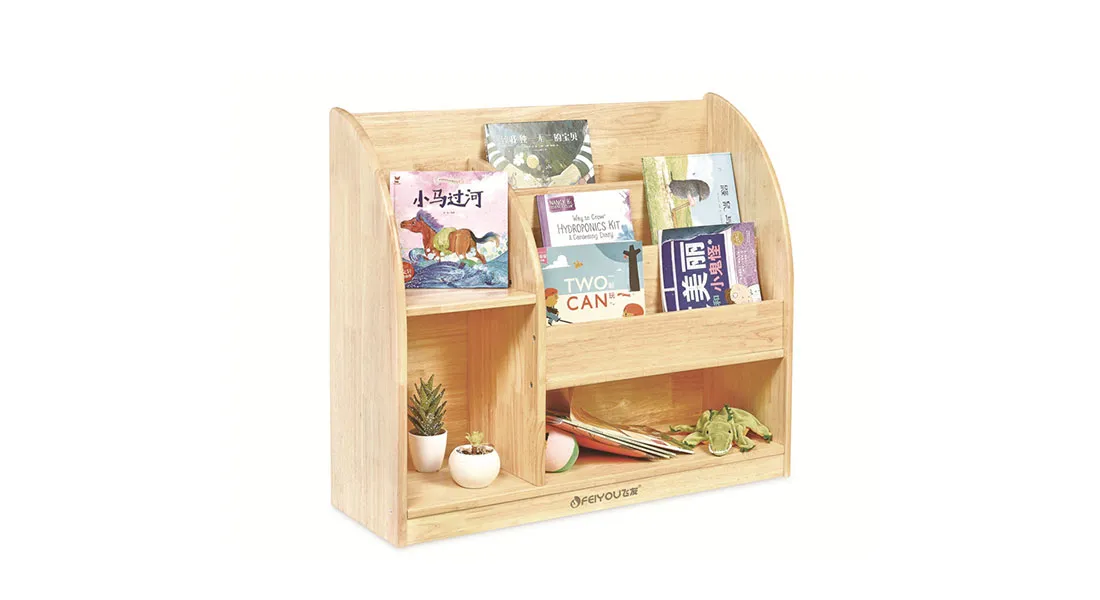
Low, open shelving: Montessori-style storage that promotes independence
-
Soft seating: Floor cushions, bean bags, and low benches for comfort
Lighting — Creating Calm and Focus
Lighting design has become a priority in modern childcare centers. Harsh fluorescent lighting is being replaced with warm, diffused options that support children‘s well-being.
Lighting strategies for childcare centers:
-
Maximize natural light: Large windows, skylights, and open layouts that allow sunlight to penetrate deep into spaces
-
Warm LED fixtures: Replace harsh fluorescents with warm, diffused lighting
-
Task lighting: Lamps and focused light for specific activities
-
Blackout shades: For restful naps
Natural light is one of the most powerful—and cost-free—biophilic elements. It reduces stress, improves attention span, and enhances mood. In modern designs, large windows not only bring in light but also provide views to gardens and outdoor spaces.
Safety and Comfort — The Foundation of All Design
Every design trend must rest on a foundation of safety and comfort. Modern childcare centers integrate safety features seamlessly into the design rather than treating them as afterthoughts.
Essential safety features in modern childcare design:
-
Rounded corners and edges: On all furniture and architectural elements
-
Non-toxic materials: Low-VOC finishes, lead-free paints, phthalate-free plastics
-
Secure furniture: Anchored storage units to prevent tip-overs
-
Anti-slip surfaces: Flooring and mats that prevent falls
-
Clear sightlines: Teachers can see all children from multiple positions
-
Unobstructed emergency exits: Pathways kept clear at all times
A well-designed childcare environment helps children feel safe, calm, and confident. When safety is integrated thoughtfully, children can explore freely without unnecessary restrictions—and educators can focus on teaching rather than managing hazards.
Planning kindergarten furniture layouts or safety assessments for your early education space? Contact our team to get full planning checklists and personalized consultation.
Two Real-World Examples — Trends in Action
Example 1: Nature-Based Design
A childcare center embraced biophilic design principles to harmonize play-based learning with nature, offering children physical, mental, and social benefits. Through the successful fusion of biophilic design, they created a nurturing, inspiring environment that sets a new benchmark for early childhood education. Key features included natural materials throughout, indoor plantings, and seamless connections to outdoor learning spaces.
Example 2: Mass Timber Kindergarten
Kéré Architecture completed a mass timber kindergarten in Germany where interior spaces are lined in wood. The furniture and shelving systems made of timber leverage the material's biophilic qualities proven to benefit students. The entire space was designed from the perspective of the children who will use it.
From Trends to Implementation
By now, you have a comprehensive understanding of the interior design trends shaping modern childcare centers in 2025. You understand the concept of the environment as the “third teacher” and how thoughtful design supports children's development. You know the importance of biophilic design—bringing nature indoors through natural light, living materials, and organic forms. You recognize the value of flexible, multi-purpose spaces that adapt to changing needs. You understand the growing emphasis on sustainable materials and furniture. And you have strategies for color, lighting, and safety that create calm, engaging environments.
Your next steps:
-
Assess your current space: What trends are already present? What could be improved?
-
Start with one or two trends: Biophilic design (add plants, maximize light) is often the most accessible starting point
-
Prioritize safety and sustainability: Choose non-toxic materials and furniture with safety certifications
-
Involve the children: Let their artwork and choices bring color and personality to the space
-
Plan for flexibility: Choose modular furniture that can be reconfigured as needs change
With these trends and strategies in hand, you can confidently plan a childcare center interior that is modern, safe, and designed for children to thrive. The research is clear: thoughtful design supports children's development, reduces stress, and enhances learning outcomes. And with the range of options available today, creating a beautiful, functional childcare space is more achievable than ever.
Related Reading
-
How to Incorporate Biophilic Design in Preschool Classrooms Without Breaking the Budget
-
Best Kindergarten Furniture Ideas for Modern Classrooms
-
The Science of Non-Toxic Wood Finishes for Kids
-
Space Planning for Mixed-Age Classrooms: Tables, Chairs, and Storage Guidelines
-
Sustainable Materials for Children's Furniture: A Buyer's Guide to Certifications and Trade-offs






 English
 Español