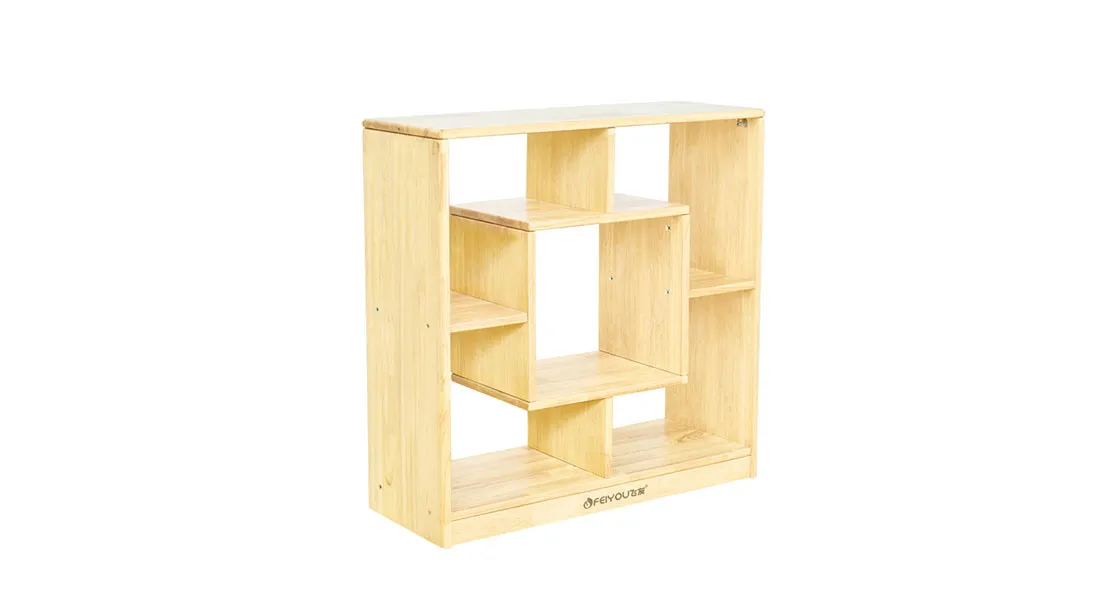
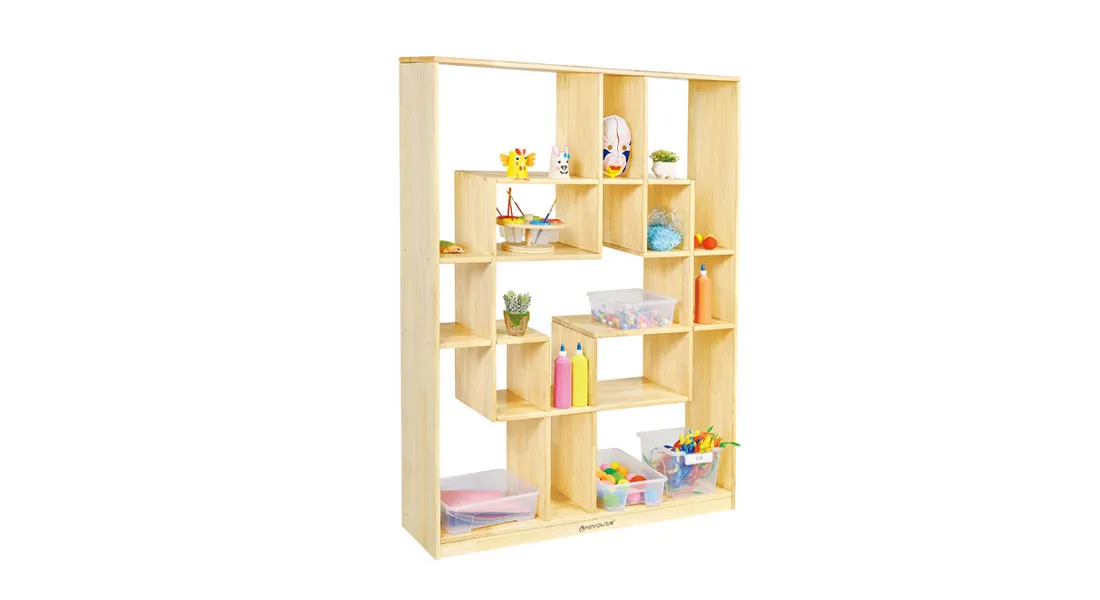
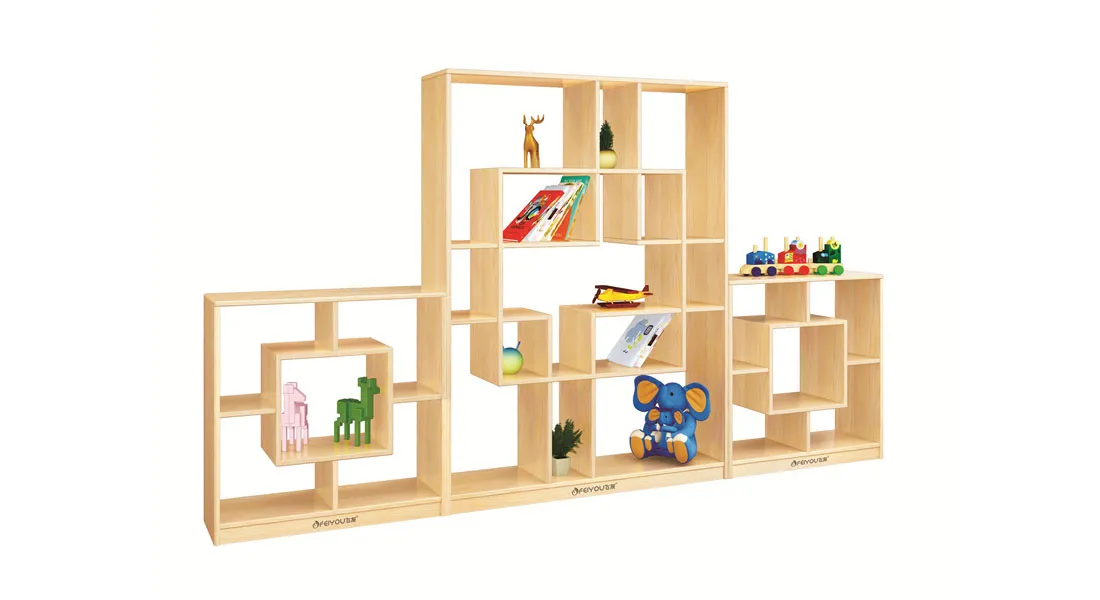
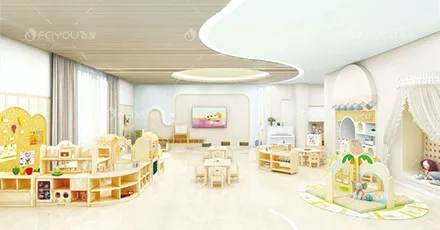
A new wooden table arrives for your kindergarten classroom. It looks beautiful, feels sturdy, and fits perfectly in the reading corner. But does it meet the safety standards required for children's furniture? For education projects, compliance is not optional—it is a legal and ethical obligation. Yet navigating the alphabet soup of safety standards can feel overwhelming: CPSIA, ASTM F963, EN 1729, GB 28007-2024, and more.
This guide consolidates the essential safety standards for kindergarten and daycare furniture, organized by type and applicable market. Whether you are sourcing furniture for a new facility in the United States, Europe, or China, this overview helps you understand what to verify before making a purchase. Drawing on the quality assurance and safety certifications from Feiyou Furniture—a manufacturer with over 30 years of experience, 400+ patents, and a 310,000㎡ facility—this guide provides practical compliance insights for education projects.
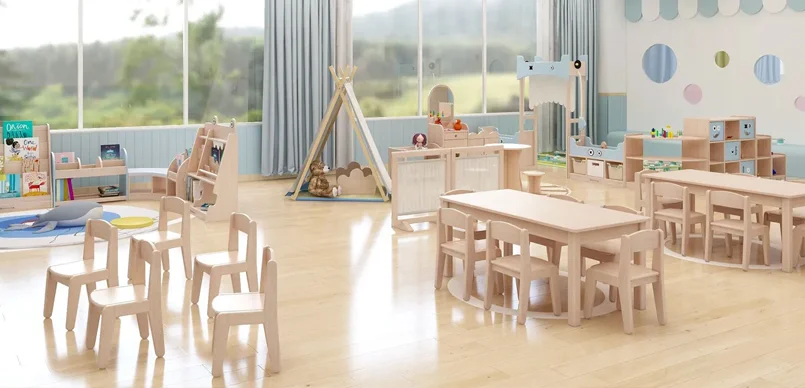
Why Safety Standards Matter in Education Settings
Safety standards exist to prevent specific, documented hazards. The U.S. Consumer Product Safety Commission (CPSC) has documented that furniture-related injuries are consistently reported year after year, with children under age 18 accounting for a significant portion of tip-over injuries. Folding chairs and stools, for example, have been associated with incidents including finger fractures, lacerations, and even fingertip amputations when locking mechanisms fail.
For education projects, safety standards are particularly critical because:
-
Children use furniture daily for extended periods
-
Multiple children interact with the same furniture simultaneously
-
Furniture must withstand years of heavy use
-
Children may use furniture in unintended ways (climbing, pulling, etc.)
Understanding applicable standards helps education project managers ask the right questions and verify compliance documentation before purchase.
For educational facilities planning standardized furniture procurement, researching qualified kindergarten furniture that meets rigorous safety benchmarks is essential. Browse our full lineup of durable, kid-friendly toddler furniture tailored to preschool and childcare center layouts.
U.S. Standards — CPSIA and CPSC Regulations
The Consumer Product Safety Improvement Act (CPSIA)
The CPSIA is the primary U.S. law governing children's product safety. Feiyou Furniture confirms compliance with stringent quality standards such as ASTM International and CPSIA in the United States, ensuring their children's furniture meets these federal requirements.
Key provisions for furniture finishes and materials include:
| Requirement |
Limit |
Applicability |
| Lead in surface coatings |
≤ 90 ppm (0.009%) |
All children's furniture |
| Total lead in accessible parts |
≤ 100 ppm |
All children's furniture |
| Phthalates (DEHP, DBP, BBP) |
≤ 0.1% |
Children's toys and child care articles |
| Phthalates (DINP, DIBP, DPENP, DHEXP, DCHP) |
≤ 0.1% |
Children's toys and child care articles |
Important: Accessible component parts of children's products made with certain engineered wood products—particleboard, hardwood plywood, and MDF that are untreated, unfinished, and made from virgin or pre-consumer wood waste—are not required to be third-party tested for these limits. However, coatings and finishes are not exempt and require testing.
ASTM F963 — Toy Safety Standard
Section 106 of the CPSIA made provisions of ASTM F963 a mandatory consumer product safety standard. Among the mandated provisions is section 4.3.5, which requires that surface coating materials and accessible substrates of children's toys that can be sucked, mouthed, or ingested must comply with solubility limits for eight heavy metals: antimony, arsenic, barium, cadmium, chromium, lead, mercury, and selenium. Feiyou confirms its products undergo rigorous third-party safety testing to meet these stringent requirements.
Children's Folding Chairs and Stools — 16 CFR Part 1232
Children's folding chairs and stools are regulated under 16 C.F.R. Part 1232, which incorporates ASTM F2613 as the mandatory safety standard. This regulation applies to seating furniture that can be folded for transport or storage, with a rigid frame intended for use by children.
Key requirements include:
-
No hazardous sharp points or edges
-
Scissoring, shearing, and pinching protections
-
Wood parts must be smooth and free from splinters
-
Locking mechanism testing to prevent accidental collapse
-
Stability testing (must not tip backward or sideways)
-
Labeling and warning durability requirements
-
Static load and fatigue testing
Note on scope: While ASTM F2613 covers both folding and non-folding chairs and stools, the mandatory 16 CFR Part 1232 specifically applies to children's folding chairs and stools.
For education projects sourcing folding chairs, verify that products are certified to 16 CFR Part 1232 and include a Children's Product Certificate (CPC) issued by a CPSC-accepted third-party laboratory.
European Standards — EN 1729 and Beyond
Feiyou Furniture confirms its children's furniture also meets EN standards in Europe, ensuring compliance with international safety requirements.
EN 1729 — Educational Furniture
EN 1729 is the European standard specifically for educational furniture. It is divided into two parts:
| Part |
Focus |
Key Requirements |
| EN 1729-1 |
Functional dimensions |
Seat height, seat width, backrest angle, table heights for different age groups |
| EN 1729-2 |
Safety requirements |
Rounded corners, smooth edges, strength and stability testing |
Key safety requirements from EN 1729-2:
-
Chairs and tables for educational institutions, including kindergartens and childcare settings, must meet specified safety requirements and test methods
-
Chairs meeting the requirements are suitable for users weighing up to 110kg
-
All edges and corners accessible to children must be designed to prevent injury
EN 16121 and EN 16122 — Storage Furniture
For storage units in non-domestic settings—including schools and kindergartens—the applicable standards are:
| Standard |
Focus |
| EN 16122 |
Test methods for strength, durability, and stability of domestic and non-domestic storage furniture |
| EN 16121 |
Requirements for safety, strength, durability, and stability of non-domestic storage furniture |
An important distinction: EN 16122 describes test methods, while EN 16121 specifies actual requirements. For kindergartens, EN 16121's Annex B provides specific requirements for schools and similar applications—addressing the higher usage intensity and safety expectations in early childhood environments.
ISO 7170 — International Storage Furniture Standard
ISO 7170:2021 specifies test methods for determining the strength, durability, and stability of storage units when fully assembled. While the standard provides suggested loads, cycles, and forces in Annex B, it does not specify acceptance criteria—this is left to the requirements standards like EN 16121.
China Standards — GB 28007-2024
China has implemented a significant update to its children's furniture safety standards. GB 28007-2024, "Safety Technical Specification for Infant and Children's Furniture" , will take effect on January 1, 2026, replacing multiple older standards including GB 28007-2011 and GB 22793.1-2008.
Key changes in GB 28007-2024:
| Aspect |
Old Standards |
New Standard (2024) |
| Scope |
Fragmented product-specific standards |
Unified "all categories + all ages" (0–14 years) |
| Soft furniture |
Not specifically addressed |
First-time inclusion of upholstered furniture requirements |
| Age differentiation |
Limited |
Explicit separation: "infant furniture" (≤36 months) vs. "children's furniture" (3–14 years) |
| Bunk beds |
Separate standard |
Consolidated with age restriction (6+ years) |
Core safety requirements in the new standard:
-
Structural safety: Folding mechanisms must have locking devices; vertical-opening doors require damping or automatic locking supports; clear specifications for bunk bed safety rail height and gap width
-
Material safety: Hazardous substance emissions must meet national limits (formaldehyde, heavy metals); new flame retardant requirements for fabrics and plastic coverings
-
Electrical safety: Electric functions must comply with appliance safety standards; lifting mechanisms require child locks and combination controls
-
Warning labels: Standardized warnings for pinch hazards, tipping risks, and adult supervision requirements
-
Age labeling: Clear marking of applicable age ranges for specific furniture types
For education projects sourcing from Chinese manufacturers, GB 28007-2024 compliance will be mandatory starting in 2026. According to the standard's scope, it applies to "furniture used by infants and children aged 0–14 years" and is a mandatory national (GB) standard.
Design Features That Meet Safety Standards
Based on Feiyou Furniture's documented quality assurance practices, several design features directly address common safety standard requirements:
| Safety Feature |
Purpose |
Benefit |
| Rounded edges |
Soften corners to prevent injuries from accidental impacts |
Meets EN 1729-2 and ASTM F963 sharp edge requirements |
| Anti-tipping devices |
Customizable fixed treatments to prevent tipping accidents |
Addresses tip-over hazard regulations (CPSC, ASTM F2057) |
| Non-toxic paints and finishes |
Safe paints that do not contain harmful chemicals |
Complies with CPSIA lead and phthalate limits, EN 71-3 |
| Stable base design |
Ensures furniture remains upright and stable during use |
Meets stability testing requirements |
| Smooth surfaces |
Eliminates sharp or rough areas that can cause cuts or scratches |
Meets surface finish safety requirements |
| Safety locks |
Prevent access to drawers or compartments that could pose a hazard |
Addresses pinch-point and entrapment hazards |
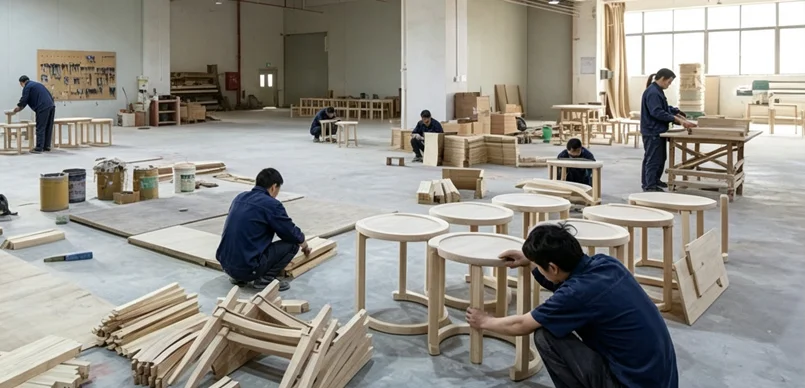
Feiyou confirms these features are integrated into their furniture design and undergo rigorous quality control at every production stage—from material inspection to final assessment—ensuring consistent safety compliance.
Material Safety — Non-Toxic Coatings and Sustainable Sourcing
The safety of furniture extends beyond structural design to the materials used in finishes. Feiyou Furniture uses sustainably sourced wood and non-toxic paints, with coatings sourced from top-tier brands to ensure environmental responsibility.
Benefits of Feiyou's coatings as documented in their quality assurance materials:
-
No odors or pollutants
-
Does not contain flammable substances
-
Excellent water and dirt resistance
-
Tough paint film with good anti-scratch performance
Paint brands used by Feiyou that meet safety standards:
| Paint Brand |
Key Safety Features |
| Huarun |
Adopts environmentally friendly UV paints and water-based paints; non-toxic formulation; no harmful gases, odors, or pollutants after film formation; excellent water and stain resistance |
| Bauhinia |
Low odor, environmentally friendly formulations; tough paint film with scratch-resistant performance; fast drying, good leveling |
For education projects, verifying non-toxic coatings is essential. Feiyou confirms all paints are certified non-toxic and safe for use on toddler furniture, free from harmful substances and meeting strict safety regulations.
Product Certification and Compliance Verification
Feiyou Furniture follows strict safety standards and has received many national certifications and research and development certificates, ensuring safety and reliability for their toddler furniture.
Key certifications and testing protocols:
-
ASTM International and CPSIA compliance (U.S. market)
-
EN standards compliance (European market)
-
Rigorous third-party safety testing for all products
-
Product-specific certifications: Toy cabinets, children's beds, children's chairs, children's desks
Feiyou's four-stage quality control process:
| Stage |
Activity |
Quality Control Check |
| 1. Material Inspection |
Check materials for defects |
Reject defective materials; proceed only with approved materials |
| 2. Production |
Assembly and manufacturing |
Rigorous inspections during manufacturing; address defects (rework/repair/reject) |
| 3. Final Assessment |
Ensure safety and durability |
Pass or address defects; proceed to packaging only after approval |
| 4. Consistency Checks |
Standardized procedures and audits |
Approve batch for distribution or investigate and rectify inconsistencies |
For kindergarten and preschool procurement projects, auditing standardized quality control workflows ensures reliable safety and durability for toddler furniture. To examine a manufacturer’s full compliance documentation, multi-step production inspections and international safety test reports, explore supporting checklists and third-party test records via Feiyou’s quality assurance system for children’s furniture.
Warranty and After-Sales Support
Feiyou Furniture offers a 2-year warranty covering defects in materials and workmanship. Their products are rigorously tested for safety and durability, and technical support is available for quality issues.
For education projects, warranty terms and after-sales support should be considered alongside safety compliance when evaluating furniture options.
Comparative Summary — Standards by Furniture Type
| Furniture Type |
U.S. Standard(s) |
European Standard(s) |
China Standard |
| Seating (general) |
CPSIA, ASTM F963 |
EN 1729-2 |
GB 28007-2024 |
| Folding chairs |
16 CFR Part 1232 (ASTM F2613) |
EN 1729-2 |
GB 28007-2024 |
| Tables |
CPSIA, ASTM F963 |
EN 1729-2 |
GB 28007-2024 |
| Storage units |
CPSIA, ASTM F2057 |
EN 16121, EN 16122, ISO 7170 |
GB 28007-2024 |
| Infant furniture |
CPSIA, various |
EN 1130 (cribs) |
GB 28007-2024 (specific sections) |
| Soft furniture |
CPSIA |
- |
GB 28007-2024 (first-time inclusion) |
From Standards to Selection
By now, you have a clear understanding of the essential safety standards for kindergarten furniture across major global markets. You know that U.S. requirements center on CPSIA (lead, phthalates), 16 CFR Part 1232 (folding chairs), and ASTM F963 (general safety). European standards include EN 1729-2 for educational furniture, EN 16121 for non-domestic storage, and ISO 7170 for test methods. China has a new unified standard—GB 28007-2024—that takes effect in 2026.
Your next steps for any education furniture project:
-
Identify your market's regulatory requirements at the earliest project stage
-
Incorporate compliance verification into your procurement process—not as an afterthought
-
Request and review third-party test reports before placing orders
-
Verify product labeling matches regulatory requirements
-
Document all compliance certifications for your records and inspections
With these standards in mind, evaluating furniture options from any manufacturer becomes a matter of verifying documentation against established requirements. You can now assess suppliers based on their willingness and ability to provide certified compliance with the safety standards relevant to your project and location.
For early education centers planning custom ODM production, reviewing safety compliance rules for daycare furniture designs helps you find manufacturers offering themed layouts and fully certified safe products.
Related Reading
-
Load Testing for Kindergarten Storage Units: What Every Buyer Should Know
-
The Science of Non-Toxic Wood Finishes for Kids
-
ODM vs OEM for Early Childhood Furniture: Which Model Fits Your Project?
-
Sharp Edges? Fix Kindergarten Furniture Safety
-
Custom ODM Kindergarten Furniture for Your Theme






 English
 Español