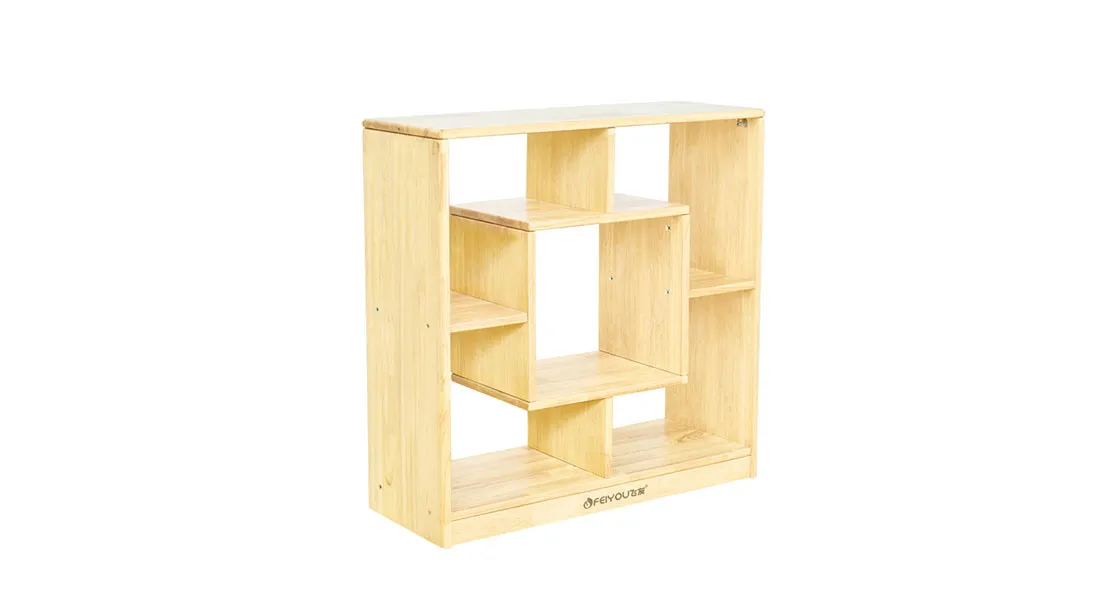
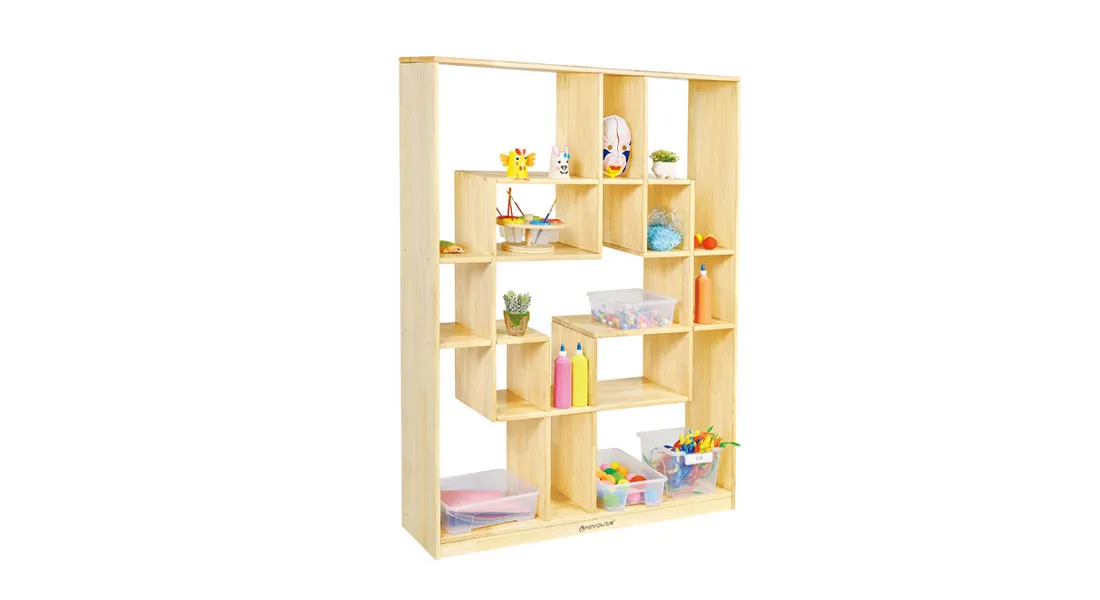
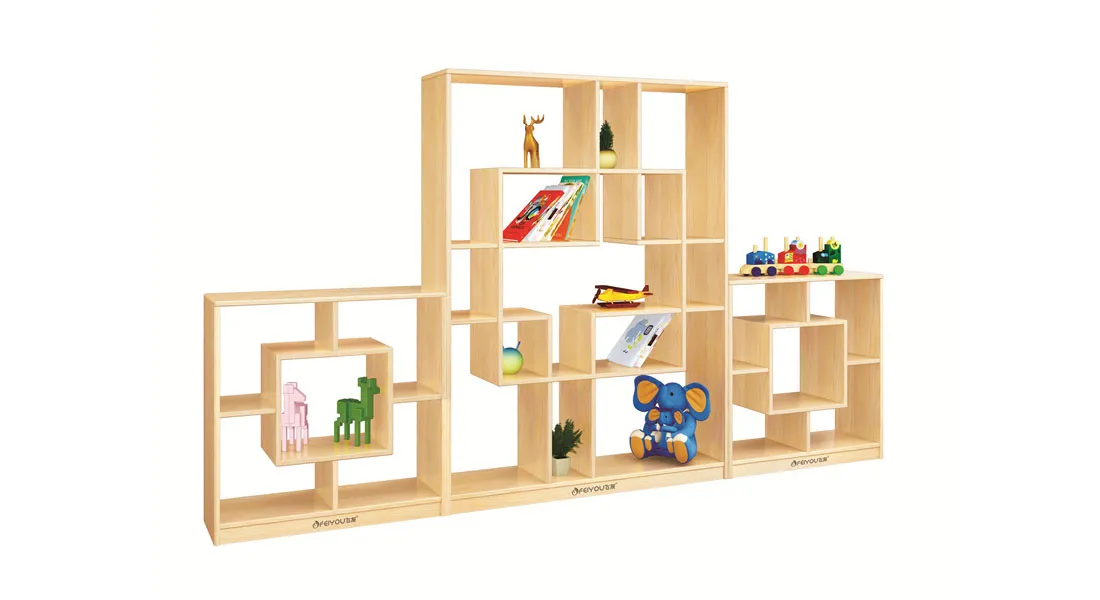
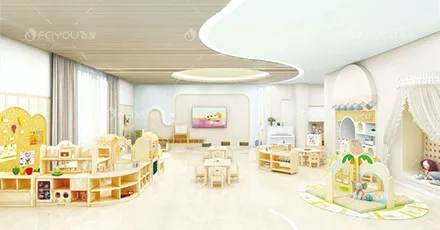
A practical cleaning and maintenance routine for wooden daycare furniture usually includes daily damp wiping, weekly child-safe disinfection, monthly hardware checks, and termly structural inspection. The exact schedule depends on classroom use, local health rules, coating type, and manufacturer instructions. This guide explains safe products, inspection points, repair signs, and when to contact your supplier.
Wooden furniture in daycare and preschool classrooms is exposed to spills, craft materials, food, saliva, hand oils, and frequent movement. Unlike office furniture, it is also used by children who may put hands, toys, or mouths near surfaces.
Most quality early childhood furniture uses rounded edges, non-toxic finishes, and child-safe hardware. These features support safety, but they also mean cleaning products should be chosen carefully. Strong solvents, abrasive pads, and harsh bleach solutions may dull the finish or weaken edge seals over time.
If you are reviewing the safety features of your current furniture, Feiyou’s quality assurance information explains common design details such as rounded edges, anti-tipping devices, non-toxic paints, and stable base design.
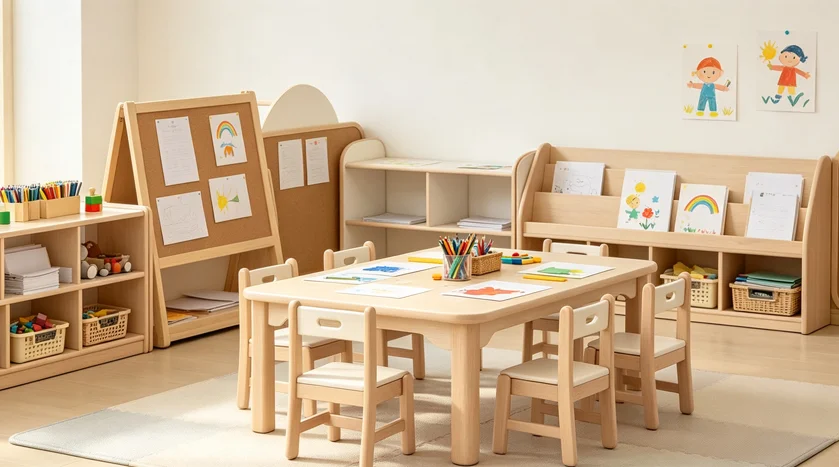
Daily, Weekly, and Monthly Cleaning Schedule
A simple schedule helps staff stay consistent without over-cleaning or damaging surfaces.
| Frequency |
Task |
Suggested Method |
Cautions |
| Daily |
Wipe tables, chairs, shelves, and handles |
Damp cloth with mild soap and water; dry immediately |
Do not leave standing water on wood or edges |
| Daily |
Remove food, paint, and glue residue |
Soft cloth or plastic scraper |
Avoid metal scrapers and abrasive pads |
| Weekly |
Disinfect high-touch surfaces |
Child-safe disinfectant following label directions |
Confirm compatibility with the furniture finish |
| Weekly |
Check screws, bolts, and anti-pinch hinges |
Tighten only if loose; do not over-tighten |
Missing hardware should be replaced with matching parts |
| Monthly |
Inspect joints, legs, drawers, and cabinet backs |
Visual and hand-pressure check |
Look for wobble, cracks, or separation |
| Termly |
Review anti-tipping devices and wall fixings |
Confirm secure attachment |
Follow local safety requirements |
| Termly |
Touch up minor surface wear |
Use manufacturer-approved touch-up materials |
Do not use mismatched paint or solvent |
For classrooms with younger toddlers, daily cleaning may need to be more frequent. For art rooms or dining areas, clean immediately after use rather than waiting for the end of the day.
Safe Cleaning Products: What to Use and What to Avoid
The safest approach is to follow the furniture manufacturer’s cleaning instructions. If those are not available, use a two-step method: clean first, then disinfect.
| Product Type |
Typical Use |
Notes |
| Mild soap and warm water |
Daily cleaning |
Safe for many sealed wood and laminate surfaces |
| pH-neutral cleaner |
General surface cleaning |
Less likely to dull finishes than alkaline cleaners |
| Child-safe disinfectant |
High-touch surfaces |
Follow dwell time and ventilation instructions |
| Water-based or manufacturer-approved cleaner |
Painted or coated wood |
Test on a hidden area first |
| Abrasive powders or pads |
Not recommended |
Can scratch coatings and trap dirt |
| Ammonia or strong solvents |
Avoid unless approved |
May damage paint, lacquer, or edge seals |
| Undiluted bleach |
Avoid unless required and approved |
Residue and material compatibility must be considered |
| Furniture polish with silicone |
Avoid on child-use surfaces |
Can leave slippery or hard-to-clean films |
Always check local childcare health guidelines. Some regions require specific disinfectants or contact times for childcare surfaces.
How to Disinfect Wooden Furniture Without Damaging the Finish
Disinfection should not replace cleaning. Organic matter can reduce the effectiveness of many disinfectants.
- Remove visible dirt, food, or craft residue with a damp cloth and mild soap.
- Dry the surface with a clean cloth.
- Apply a child-safe disinfectant according to its label.
- Allow the recommended contact time.
- Wipe with a clean damp cloth if the label requires rinsing.
- Dry the surface completely before children use it again.
For painted or water-based finishes, test any new cleaner on a hidden area such as the underside of a table or the back of a shelf. Avoid soaking the wood. Moisture left around joints, edges, and hardware can cause swelling, surface lifting, or corrosion over time.
If your daycare furniture collection is designed for frequent cleaning, review the daycare furniture options and confirm finish and material details with the supplier.
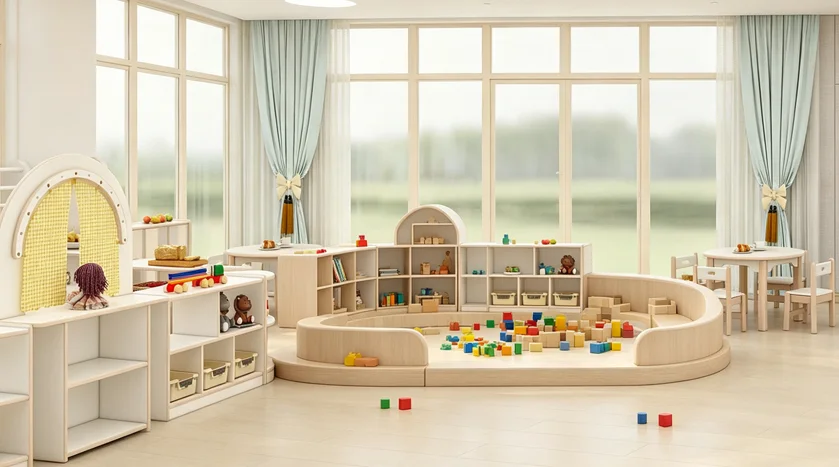
Inspection Checklist for Wooden Daycare Furniture
Use this checklist during monthly and termly inspections.
- Rounded edges remain smooth and intact.
- No exposed screws, staples, or sharp hardware.
- Table and chair legs are stable with no wobble.
- Drawers open and close without sticking or pinching.
- Anti-pinch handles and hinges are functioning.
- Cabinet backs and joints show no cracks or separation.
- Anti-tipping devices are securely attached.
- Wall fixings are tight and appropriate for the wall type.
- Surface coating shows no peeling, bubbling, or deep scratches.
- No swollen edges or water marks around frequently cleaned areas.
- Moving parts such as wheels or glides are clean and functional.
- Labels or picture markers for storage are secure and readable.
For kindergarten classrooms that use a mix of storage, tables, and activity units, the kindergarten furniture range may provide additional configuration references.
Common Problems and What They Usually Mean
| Symptom |
Likely Cause |
Recommended Action |
| Wobbly chair or table |
Loose hardware, worn glides, or joint movement |
Tighten hardware; inspect joint; replace worn parts |
| Sticking drawer |
Dirt, humidity swelling, or misaligned slide |
Clean track; check alignment; contact supplier if persistent |
| Peeling paint near edges |
Impact, moisture, or abrasive cleaning |
Light sanding and approved touch-up if minor; replace if widespread |
| Musty smell in cabinet |
Moisture trapped inside |
Empty, clean, dry fully; check room humidity |
| Cracked leg or frame |
Overloading, impact, or structural fatigue |
Remove from use; ask supplier about repair or replacement |
| Loose anti-tip bracket |
Missing fixing or wall movement |
Reinstall according to instructions; verify wall strength |
| Surface scratches |
Normal daily use |
Cosmetic touch-up if minor; inspect for splinters |
Do not return damaged furniture to the classroom if it has sharp edges, exposed metal, unstable legs, or a cracked structural part.
Repair or Replace? A Simple Decision Guide
Cosmetic wear, such as light scratches or scuffs, can often be managed with approved touch-up materials. Structural issues require more caution.
Consider replacement or professional repair when:
- A load-bearing part is cracked, split, or bent.
- The furniture wobbles even after hardware tightening.
- Anti-tipping protection cannot be restored.
- A drawer or door creates a pinching risk.
- The surface has splinters or exposed sharp material.
- The repair cost is close to the cost of a new unit.
- The item no longer meets local childcare safety requirements.
For safety-related questions, review the kindergarten furniture safety standard information and confirm requirements with your local authority.
Extending the Service Life of Wooden Furniture
Small habits can make a meaningful difference.
- Keep classrooms ventilated to reduce humidity swings.
- Avoid placing wooden furniture directly under strong sunlight for long periods.
- Use coasters or trays for water, paint, and food activities.
- Move furniture by lifting rather than dragging.
- Keep spare hardware such as screws, bolts, and glides in a labeled kit.
- Train staff on the approved cleaning products and dilution ratios.
- Store unused furniture in a dry, clean area.
- Schedule inspections before the start of each school term.
If you are planning a new classroom or replacing several items, contact our feiyou toddler furniture experts today to start creating your unique solution. can help align furniture choices with room size, age group, and daily routines.
When to Contact the Supplier
Contact your furniture supplier when:
- A structural part fails or cracks.
- Hardware is missing or no longer matches.
- The finish begins to fail over a large area.
- You need approved cleaning or touch-up instructions.
- You are unsure whether a product can be repaired safely.
- You need replacement parts under warranty.
Frequently Asked Questions
How often should wooden daycare furniture be cleaned?
Most daycare and preschool furniture should be cleaned daily, with high-touch surfaces disinfected weekly or more often if required by local health rules. Art and dining areas may need immediate cleaning after use.
Can I use bleach or alcohol on wooden preschool furniture?
Use bleach or alcohol only if the furniture manufacturer and local health guidelines approve them. Some finishes, paints, and edge seals can be damaged by harsh chemicals. Test on a hidden area first.
How do I disinfect wooden furniture without damaging the finish?
Clean first with mild soap and water, dry the surface, then apply a child-safe disinfectant according to its label. Avoid soaking the wood and dry all surfaces completely.
What are signs that wooden daycare furniture needs repair?
Wobbling, cracked legs, loose anti-tip brackets, sticking drawers, exposed sharp edges, and peeling paint near edges are common signs. Remove the item from use if it may be unsafe.
How can I make wooden furniture last longer in a childcare center?
Use mild cleaners, avoid standing water, tighten hardware regularly, control room humidity, lift rather than drag furniture, and schedule termly inspections.
When should I contact the furniture supplier?
Contact the supplier for structural damage, missing hardware, warranty questions, approved touch-up materials, or any safety concern you cannot resolve internally.
Conclusion
A practical maintenance routine for wooden daycare and preschool furniture depends on three things: consistent cleaning, safe products, and regular inspections. Daily wiping, weekly disinfection, monthly hardware checks, and termly structural reviews can help reduce repair costs and keep classrooms safer.
Avoid abrasive cleaners, standing water, and returning structurally damaged furniture to use. When in doubt, confirm the material, finish, and warranty terms with your supplier. You can also review kindergarten furniture project cases to see how different classroom settings plan and maintain their furniture.
Related Reading






 English
 Español