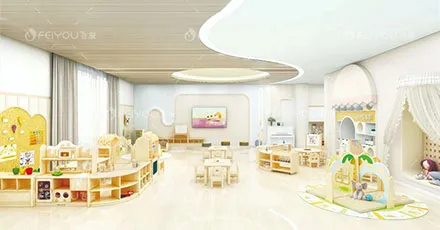
A kindergarten furniture budget should be built from five layers: product cost, compliance cost, logistics cost, installation cost, and lifecycle cost. The purchase price is only the first layer. Material choice, certification requirements, shipping terms, duties, installation, and long-term maintenance all change the total. This guide explains how each layer works, which factors move the number most, and how to phase purchases so that a limited budget does not force low-quality choices in the rooms children use every day.
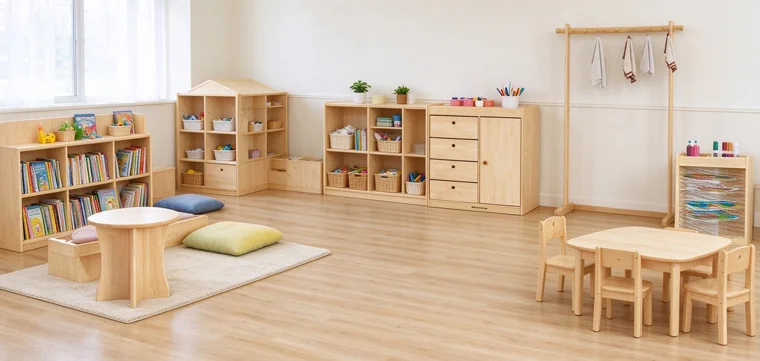
The Five Layers of a Kindergarten Furniture Budget
Most budget errors happen because buyers plan only for the product price. A more reliable structure separates the budget into five layers.
| Layer |
What It Includes |
Why It Matters |
| Product |
Unit price × quantity, customisation, finishes |
The most visible number, but not the whole cost |
| Compliance |
Testing, certification, documentation, labelling |
Required for legal import and for tender acceptance |
| Logistics |
Packing, freight, insurance, duties, port charges, inland transport |
Can change the landed cost significantly |
| Installation |
Unloading, assembly, site coordination, training |
Often underestimated in project schedules |
| Lifecycle |
Maintenance, spare parts, repair, replacement, downtime |
Determines the real cost per year of use |
A budget that covers only the first layer is not a budget. It is a quotation.
What Drives the Product Cost
Product cost is not a single number. It is the result of several decisions that buyers make before the order is placed.
Material: Material is usually the largest single driver. Birch plywood, rubberwood, maple veneer, and solid wood differ in cost, weight, durability, and finish requirements. A material that costs less per panel may need more frequent replacement, which changes the cost per year of use.
Construction and Hardware: Joint type, edge treatment, drawer runners, hinges, and anti-tip fittings all affect cost. A simpler construction may reduce the unit price but can also reduce the service life in a high-use classroom.
Surface Finish: Water-based finishes, UV-cured finishes and standard lacquers differ in cost and in the documentation required for compliance. The finish also affects cleaning and maintenance over time.
Customisation
Custom sizes, colours, themes and layouts add design and production time. Customisation is often justified for a flagship classroom or a branded chain, but it should be budgeted separately from standard products.
Certification and Testing
Product-level testing and documentation carry a cost. Buyers who need CPSIA, ASTM F963, EN 71 or EN 1729 evidence should confirm early whether the quoted product already has valid reports or whether new testing is required.
Material Cost and Durability Comparison
The table below compares common material options at a general level. Actual cost and performance depend on the specific supplier, construction and use conditions.
| Material |
Relative Cost |
Typical Use |
Durability Consideration |
| Birch plywood |
Medium |
Panels, cabinets, tables |
Good strength-to-weight ratio; edge sealing matters |
| Rubberwood |
Medium |
Legs, frames, solid components |
Dense and workable; finish quality affects longevity |
| Maple veneer |
Medium to high |
Visible surfaces, premium finishes |
Attractive surface; veneer protection is important |
| Solid wood |
High |
Legs, frames, visible structural parts |
Durable when properly dried and finished; weight and cost are higher |
Buyers should compare materials on a cost-per-year-of-use basis, not only on unit price. A table that lasts longer can be cheaper over a ten-year period even if it costs more initially.
Hidden Costs When Importing ECE Furniture
For imported furniture, the landed cost is usually higher than the supplier’s unit price. The following items should be estimated before the budget is approved.
Freight and Insurance: Sea freight, air freight, and road transport differ in cost and transit time. Insurance should be included, especially for high-value or custom orders.
Duties and Taxes: Import duties and VAT or sales tax depend on the destination country and the product classification. Buyers should confirm the applicable rate with a customs broker before finalising the budget.
Port and Terminal Charges: Port handling, terminal fees and documentation charges are often billed separately from freight. These are easy to overlook in a first import.
Inland Transport and Unloading: Moving containers from the port to the site, unloading and internal distribution add cost. Sites with limited access or no loading dock may need additional equipment.
Installation and Assembly: If the supplier does not provide installation, the buyer needs a local team. Assembly time, tools, and site coordination should be budgeted.
Spare Parts and After-Sales: Spare parts, replacement components and technical support may carry a cost after the warranty period. A written after-sales terms sheet helps estimate this.
Total Cost of Ownership Over 5–10 Years
TCO is the cost of owning and using the furniture over its service life. It is more useful than unit price for comparing options, especially when the furniture is used daily by young children.
| TCO Component |
What to Estimate |
Why It Matters |
| Initial purchase |
Product, compliance, logistics, installation |
The starting point, not the whole picture |
| Maintenance |
Cleaning supplies, minor repairs, touch-up |
Daily use creates wear; maintenance protects the investment |
| Spare parts |
Replacement hardware, panels, components |
Availability affects downtime and repair cost |
| Replacement |
Expected replacement cycle by product type |
High-use items may need earlier replacement |
| Downtime impact |
Classroom disruption, temporary furniture |
A failed item can affect teaching and safety |
| Safety risk |
Potential injury or compliance exposure |
Hard to quantify, but a real cost of low-quality choices |
A simple way to compare two options is to divide the total cost by the expected years of service. The option with the lower cost per year of use is often the better budget decision, even if the initial price is higher.
How to Phase Furniture Purchases
Not every project can be furnished in one order. Phasing can reduce cash-flow pressure, but it needs to be planned so that no classroom is left with unsafe or incomplete furniture.
By Grade or Age Group
Furnishing one age group at a time can align with enrolment growth. This works well for new kindergartens that open classroom by classroom.
By Classroom
Completing one classroom fully before starting the next gives children a usable space earlier. It also makes installation and snagging easier to manage.
By Function Zone
Starting with core zones (tables, chairs, storage) and adding specialist zones (reading corners, role-play areas, art stations) later can spread cost without compromising basic function.
By Budget Cycle
Aligning purchases with annual or semi-annual budget cycles helps avoid rushed decisions at year-end. It also allows time for samples and compliance review.
Whichever method is used, the specification should stay consistent. Mixing suppliers across phases can create maintenance and spare-parts problems later.
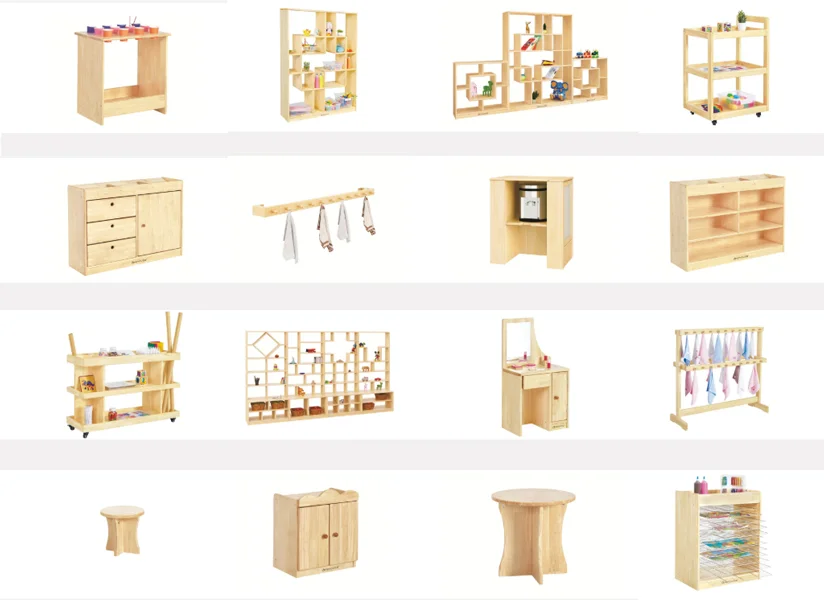
Budget Framework Example: A 20-Child Classroom
The example below shows the structure of a budget, not specific prices. Actual figures depend on material, supplier, destination, and specification.
| Budget Line |
What to Include |
Notes |
| Core seating and tables |
Age-appropriate chairs and tables |
Quantity based on room layout and group size |
| Storage |
Cabinets, shelves, cubbies |
Consider height, access, and anti-tip requirements |
| Rest area |
Beds or cots, mats |
Check space and storage during non-rest hours |
| Activity zones |
Reading, art, role-play |
Can be phased if budget is limited |
| Compliance |
Testing and documentation |
Confirm scope early |
| Logistics |
Freight, duties, port, inland transport |
Estimate landed cost, not just unit price |
| Installation |
Assembly and site coordination |
Confirm who is responsible |
| Contingency |
Small buffer for changes and spares |
Protects the project from minor overruns |
A contingency line is not padding. It covers the small changes that almost always appear during a project, such as an extra cabinet, a replacement part or a layout adjustment.
Common Budgeting Mistakes
Comparing Unit Prices Only
A lower unit price can hide higher freight, weaker construction or shorter service life. Compare landed cost and cost per year of use.
Ignoring Compliance Costs
Testing, certification, and documentation are part of the project cost. If they are not budgeted, they can delay the order or the customs clearance.
Forgetting Installation
Furniture that arrives but cannot be installed on time creates a hidden cost: delay. Budget for installation and site coordination.
Over-Customising the First Order
Customisation adds cost and lead time. It is often better to standardise core classrooms and customise only the spaces that need it.
No Spare Parts Plan
A small number of spare parts can reduce downtime. Confirm availability and lead time before the order is placed.
How Feiyou Supports Budget Planning
Feiyou works with kindergarten, daycare, and preschool projects at different scales. Our project planning process can help structure the scope before pricing, and our design decision page explains how material and layout choices affect the final specification.
You can review the planning process and the material and design options. For after-sales and spare parts questions, see the support center. Product categories for a bill of quantities are available in kindergarten furniture categories and daycare furniture categories.
FAQ
How much does kindergarten furniture cost per classroom?
There is no single figure. Cost depends on the number of children, the number of function zones, material choice, customisation, compliance requirements, shipping terms and installation. Buyers should build a budget from the five layers described above and request a landed cost estimate.
Is solid wood always more expensive over time?
Not necessarily. Solid wood usually has a higher initial price, but it can last longer when properly finished and maintained. The better comparison is cost per year of use, not unit price alone.
What hidden costs should I include for imported furniture?
Freight, insurance, duties, VAT or sales tax, port charges, inland transport, unloading, installation, and spare parts. These items can change the landed cost significantly.
Can I phase a kindergarten furniture purchase?
Yes. Phasing by grade, classroom, function zone or budget cycle can reduce cash-flow pressure. The specification should stay consistent across phases to avoid maintenance and spare-parts problems.
What is TCO for kindergarten furniture?
Total cost of ownership is the cost of buying, installing, maintaining, repairing and replacing furniture over its service life. It includes the initial purchase and the costs that follow.
Conclusion
A reliable kindergarten furniture budget is built in layers: product, compliance, logistics, installation, and lifecycle. The unit price is only the beginning. Material choice, testing requirements, shipping terms, duties, and installation all change the landed cost, and the 5–10 year TCO shows which option is actually cheaper to own.
Before approving a budget, confirm the scope, request a landed cost estimate, include a contingency line, and decide how the purchase will be phased. You can review Feiyou’s project planning process, explore material and design options, or request the catalogue to start building your bill of quantities.
Related Reading






 English
 Español