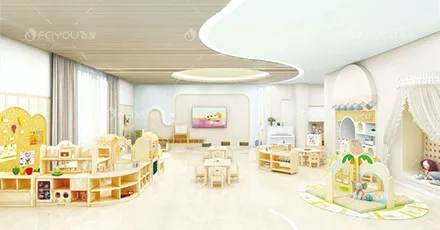
When outfitting a kindergarten or daycare classroom, the furniture you select becomes part of the daily environment where young children spend six to eight hours—climbing, sitting, napping, and exploring. Unlike office furniture where adult users exercise caution, preschool furniture must anticipate the unpredictable: a child running into a table corner, a toddler chewing on a chair arm, a climber pulling down a storage cabinet.
The challenge is that safety is not a single feature—it is a system encompassing structural design, material composition, manufacturing quality, classroom layout, and ongoing maintenance. This guide provides a practical 5-step evaluation framework to help you assess kindergarten furniture safety, based on current Chinese national standards and industry best practices.
Step 1: Verify Compliance with Current Mandatory Standards
The foundation of any safety evaluation is regulatory compliance. Since January 1, 2026, China has enforced the mandatory national standard GB 28007-2024 “Safety Technical Specifications for Infant and Children’s Furniture” . This standard represents a significant upgrade from previous versions:
Key changes you need to know:
| Aspect |
Previous Standards |
GB 28007-2024 (Effective 2026) |
| Age coverage |
3–14 years |
0–14 years (includes infants and toddlers) |
| Product scope |
Limited categories |
Full coverage including baby cribs, mattresses, sofas, soft furniture |
| Hazardous substances |
Separate standards |
Unified under GB 18584-2024 with stricter limits |
| Soft furniture |
Not covered |
First‑time inclusion in mandatory regulation |
What this means for your purchasing decision: Any supplier offering furniture for preschool use should be able to provide documentation confirming compliance with GB 28007‑2024. The standard requires manufacturers to meet specific requirements across six dimensions: materials, structure, flame retardancy, electrical safety, hazardous substance limits, and warning labels.
When reviewing product documentation, look for the standard designation “GB 28007-2024” clearly marked on product labels or in test reports . Products manufactured before 2026 may still comply with older standards—but for new installations, GB 28007-2024 compliance should be your baseline requirement.
Step 2: Assess Structural Safety—Beyond “Rounded Corners”
Structural safety is where the rubber meets the road—literally where children meet the furniture. According to the new GB 28007-2024 standard, structural safety requirements have been significantly tightened .
Here are the specific structural elements to verify:
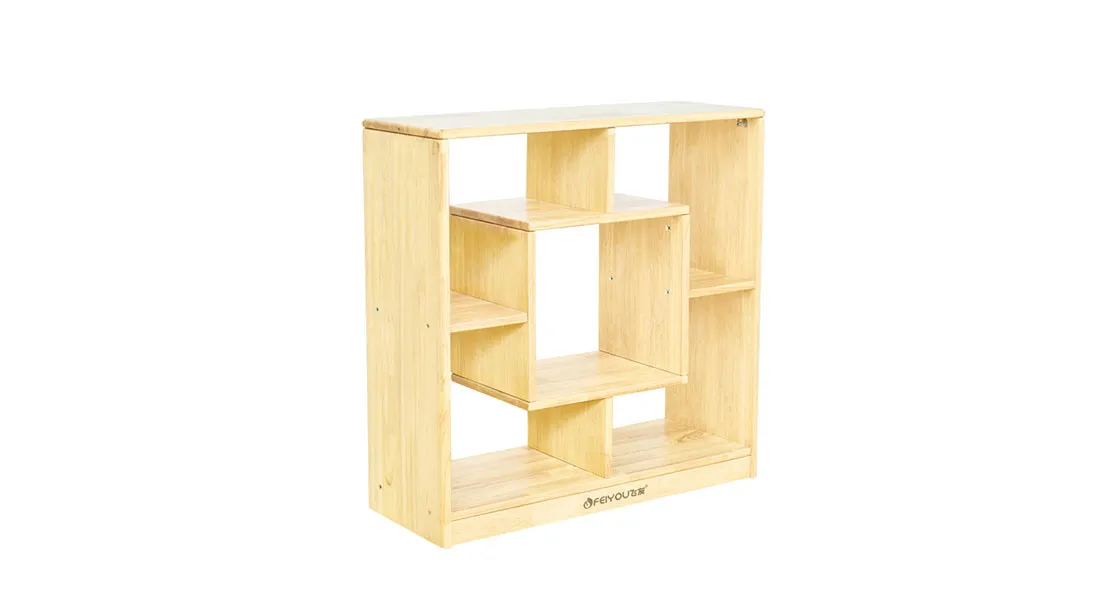
Edge and corner protection. All accessible edges and corners of furniture at heights below 1,600 mm from the floor must be rounded or chamfered. The specific requirement: rounded corners must have a radius of at least 10 mm, or the arc length must be at least 15 mm. This geometry ensures that when a child runs into a corner, the impact force is distributed over a larger area rather than concentrated at a sharp point. A simple “rounded” claim is insufficient—ask for the actual radius measurement.
Hole and gap safety. Furniture must not have holes or gaps that could trap children’s fingers. Specifically, holes deeper than 10 mm must have diameters between 6 mm and 12 mm—small enough to prevent finger insertion but large enough to allow ventilation. This prevents the common injury of a child getting a finger stuck in a poorly designed hole.
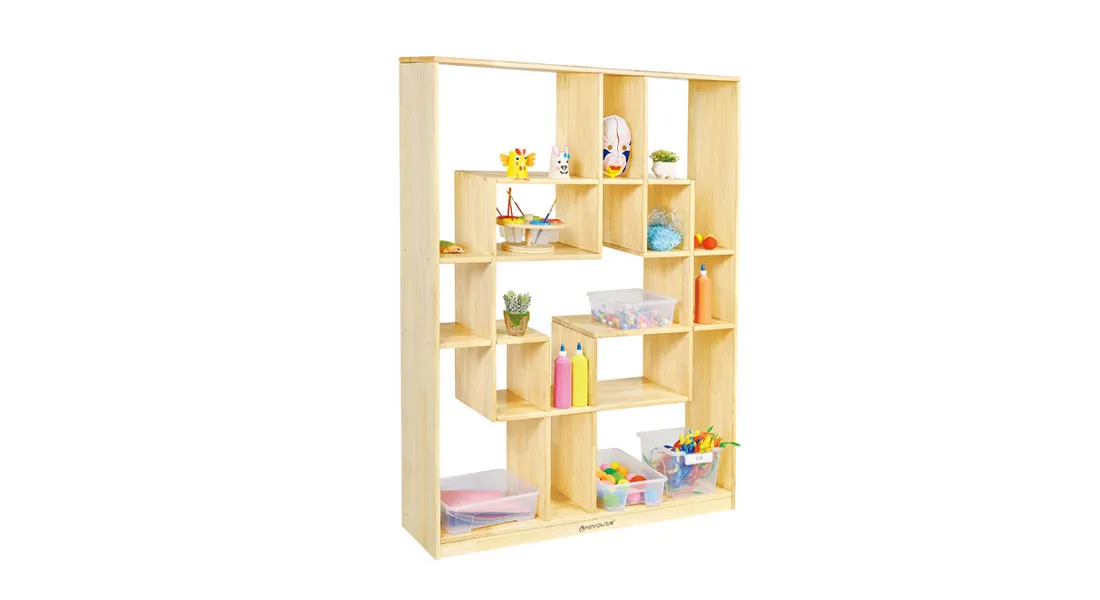
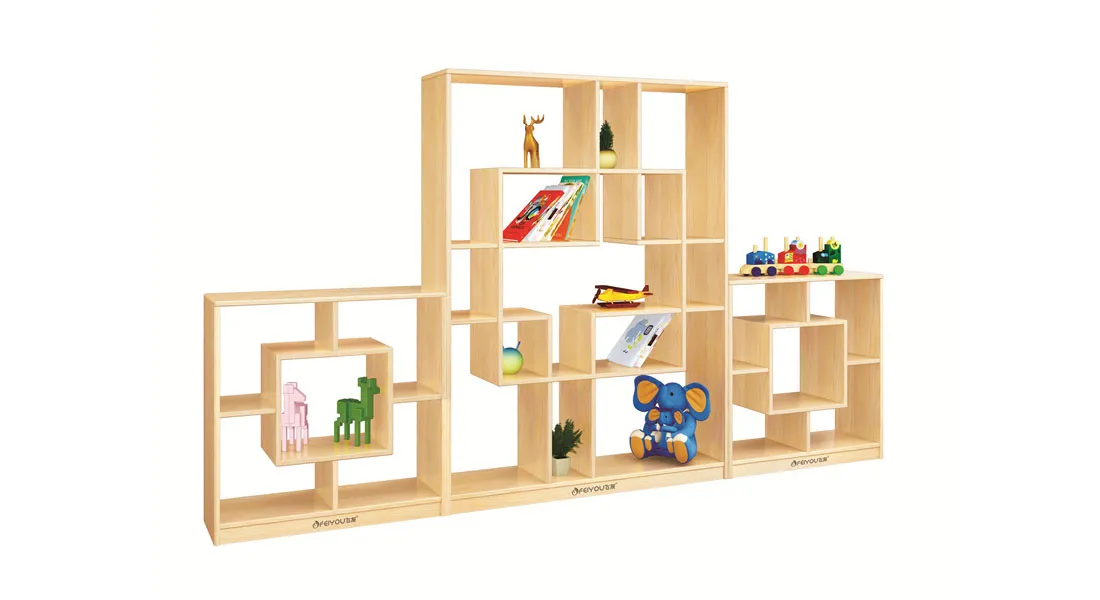
Anti-tip protection. Any cabinet or storage unit taller than 600 mm must include permanent wall attachment hardware. In practical terms: if you purchase a tall bookcase or storage cabinet, it must come with brackets or straps to secure it to the wall. This prevents the serious injury that can occur when a child climbs on an unsecured cabinet and it tips over. During evaluation, check that wall attachment hardware is included—not optional, not sold separately.
Drawer and sliding mechanism safety. Drawers and keyboard trays must have anti-pull-out devices to prevent them from being pulled completely out and falling on children. Additionally, doors, lids, and similar components should not have automatic locking devices that could trap a child inside.
No hazardous projections. The furniture should have no protruding nails, screws, or sharp points that could cause injury during play.绳带 and cords should not be present in lengths that could cause entanglement or strangulation.
A 2026 comparative test by the Beijing Consumers' Association of 20 children's furniture samples found that only 4 out of 20 met all safety requirements. Among the failures, 15 samples had missing or incomplete warning labels, and some products had holes measuring between 7–12 mm—precisely the range that can trap children's fingers. This underscores that structural safety is not universally practiced—it must be verified.
For examples of how thoughtful structural design is applied in real preschool environments, review the kindergarten furniture project cases and daycare furniture project cases.
Step 3: Evaluate Material Safety—What’s in the Furniture Matters
The materials used in kindergarten furniture directly affect indoor air quality and children’s health. This is particularly critical because young children have higher respiratory rates and spend more time in close contact with furniture surfaces.
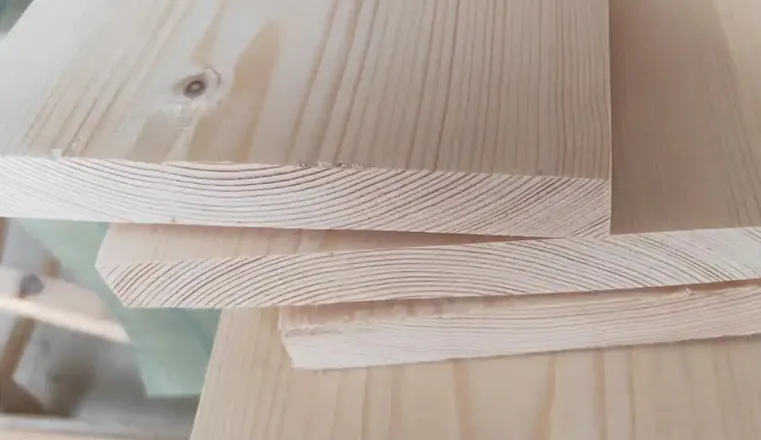
Wood type considerations. Solid wood is widely recognized as a safer choice for children’s furniture due to its low formaldehyde emissions and natural durability. Common options include:
-
Birch: Light-colored, good hardness, resists deformation
-
Rubberwood: A hardwood with excellent wear resistance and impact resistance—ideal for high-use kindergarten settings
-
Maple: High-grade option used globally in early childhood education for its cleanliness and durability
-
Pine: Lighter weight, naturally environmentally friendly, but softer and more prone to dents.
Key question to ask suppliers: What wood species are used, and what is the formaldehyde emission level of any engineered wood components?
Coating and finish safety. The finish on furniture is as important as the wood itself. Under GB 18584-2024, the mandatory standard for hazardous substance limits in furniture, formaldehyde limits for indoor furniture are set at ≤0.08 mg/m³. This represents a significant tightening from previous limits of 0.124 mg/m³.
The standard also regulates:
-
Eight heavy metals (antimony, arsenic, barium, cadmium, chromium, lead, mercury, selenium) in surface coatings
-
Phthalates in plastic components (total content ≤0.1%)
-
Benzene, toluene, xylene, and TVOC (total volatile organic compounds)
What this means in practice: When evaluating furniture, request test reports from accredited laboratories (CMA/CNAS认证) showing compliance with GB 18584-2024. Be particularly cautious with products that have strong chemical odors—this is often a sign of elevated VOC emissions.
Production date matters. A practical tip from regulatory authorities: if the furniture was manufactured within the past week, avoid putting it directly into use. Freshly coated products should ideally be aired for at least 15 days before installation to allow initial VOC off-gassing to subside.
For context on how FEIYOU integrates material safety considerations into preschool furniture design, see the design decision framework that guides material and finish selection.
Step 4: Consider Ergonomic Fit—Size Matters for Safety
Furniture that does not fit the children who use it is inherently unsafe. A chair that is too tall increases fall risk; a table that is too low encourages poor posture and can lead to children climbing on it.
According to GB/T 43002-2023 “Children’s Furniture Quality Inspection and Quality Determination,” age-appropriate size recommendations include:
| Age Group |
Recommended Table Height |
| 3–6 years |
365–485 mm |
| 7–10 years |
475–577 mm |
| 11–12 years |
510–640 mm |
| 13–14 years |
570–710 mm |
Key ergonomic safety check: The gap between the chair seat and the underside of the table should be approximately 7–8 inches (178–203 mm) to allow comfortable leg positioning. Chairs should be sized so that children’s feet can rest flat on the floor when seated—this reduces the risk of falls and promotes proper posture.
Beyond dimensions, consider:
-
Weight capacity: Does the furniture support the anticipated load of children sitting, standing, or climbing?
-
Stability: When you gently push on a piece, does it wobble? Structural looseness is a red flag.
-
Mobility: If furniture has casters, at least 2 casters should be lockable or there should be at least 2 non-caster support legs.
The GB 28007-2024 standard also distinguishes between “0–3 years infant furniture” and “3–14 years children’s furniture” with different accessible area requirements. Infant furniture must have no easily detachable small parts or adhesive decorations that could be swallowed.
Step 5: Plan for Layout and Ongoing Maintenance
Even the safest individual piece of furniture can become a hazard if poorly arranged or poorly maintained.
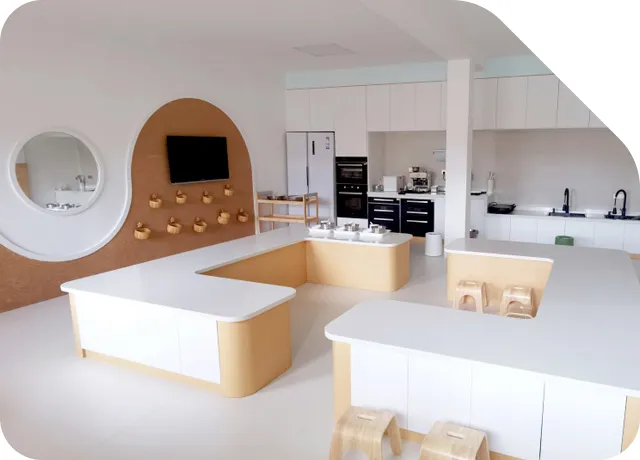
Classroom layout safety principles:
-
Maintain clear sightlines: Furniture should be arranged so that teachers can see all children at all times. Tall furniture should not obstruct supervision.
-
Keep pathways clear: Ensure walking space between shelves and tables. Children should be able to move freely without bumping into sharp corners or tripping over furniture.
-
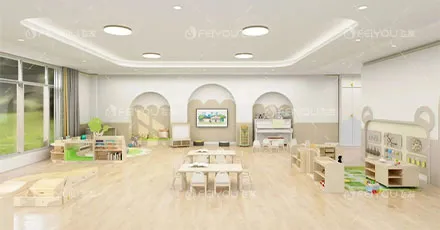
Leave open space: Aim to keep at least 20–30% of the classroom floor space free of furniture or materials to allow safe movement and play.
-
Avoid hazard zones: Do not place chairs or low shelves near windows, radiators, or blind cords.
Ongoing maintenance checks:
According to recommendations from the Beijing Consumers' Association, facilities should conduct monthly inspections of furniture:
-
Check fasteners and locking devices on beds and chairs
-
Inspect movable guardrails for proper function
-
Verify that wall attachment hardware remains secure
-
Look for emerging sharp edges, splinters, or loose parts
The World Health Organization notes that children spend most of their time indoors, where hazardous chemicals from building materials and furniture can pollute the air they breathe. Regular inspection and maintenance help ensure that furniture continues to meet safety standards throughout its service life.
From Evaluation to Selection—Making Your Decision
Selecting safe kindergarten furniture is a systematic process that requires attention to five interconnected areas: regulatory compliance, structural safety, material integrity, ergonomic fit, and layout planning.
Before making any purchase, clarify these key decision factors:
-
Age group served: Are you furnishing for infants (0–3 years), preschoolers (3–6 years), or school-age children? Each group has different safety requirements.
-
Usage intensity: Will the furniture withstand daily use by multiple classes, or is it for a low-traffic area?
-
Ventilation conditions: Can newly delivered furniture be aired for 15 days before installation?
-
Certification requirements: Does your project require specific certifications (e.g., for government-funded procurement)?
Once these factors are clarified, comparing the specific specifications of available options becomes the logical next step. For preschool environments where children spend extended daily hours, the safety framework outlined above provides a reliable basis for evaluation. You can review FEIYOU’s product series—including the Childhood Fort Series and the Fany Garden Series —designed with preschool safety requirements in mind, or explore specific applications through the project case studies linked above.
Related Reading






 English
 Español