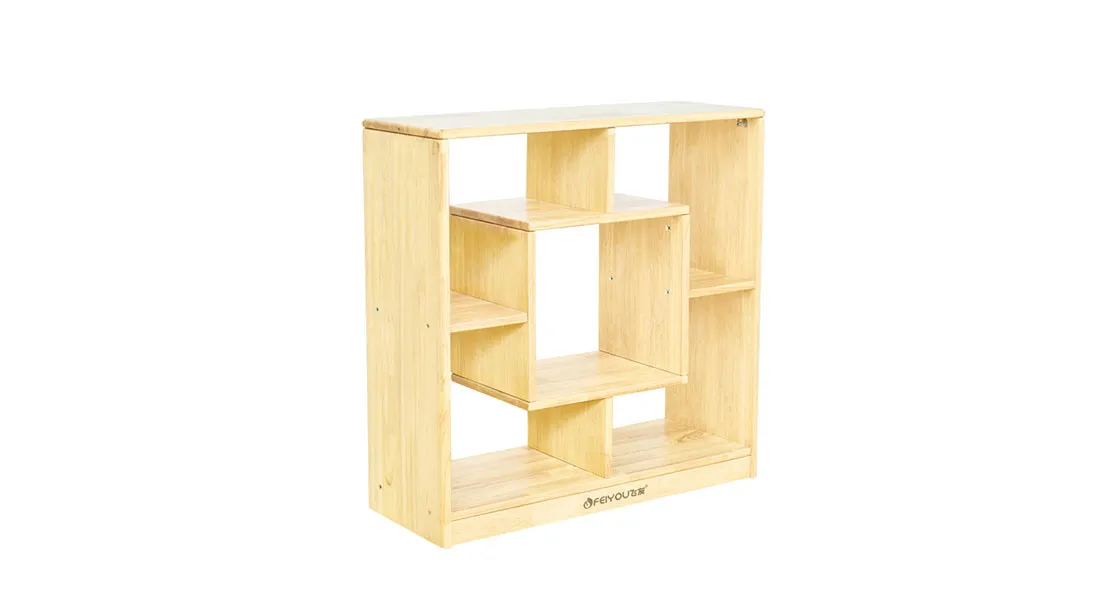
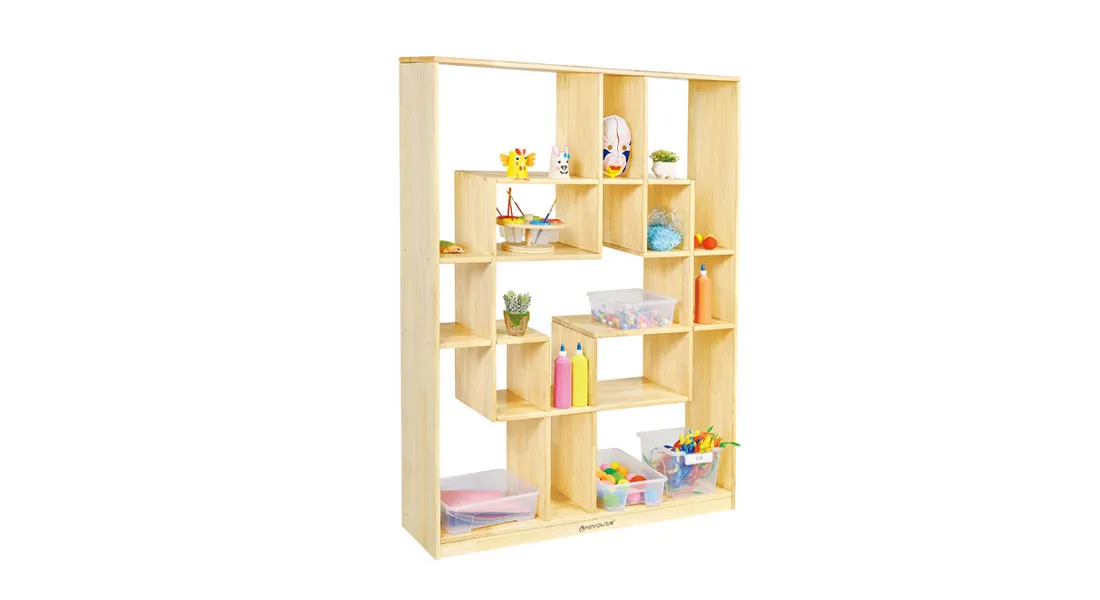
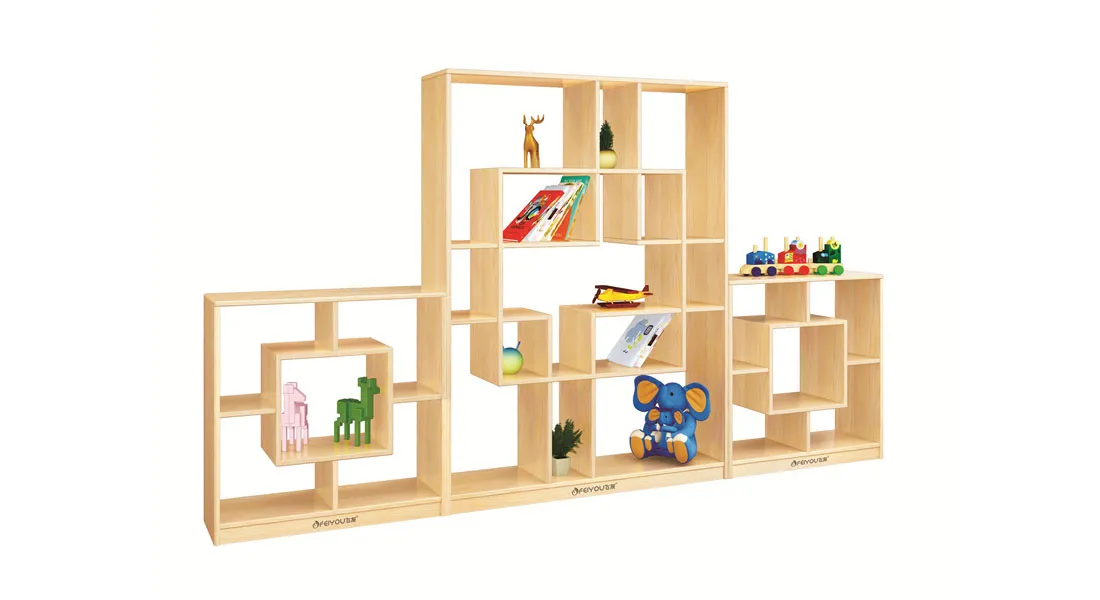
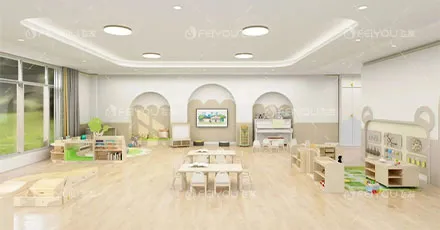
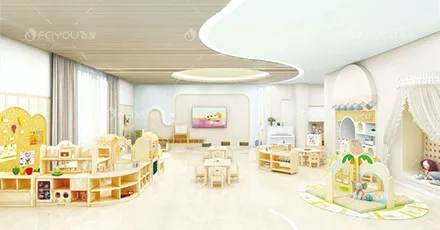
When outfitting a daycare or preschool, the choice between solid wood and plywood for furniture isn’t just about aesthetics—it’s a decision that impacts safety, durability, and long-term value. For educators and facility managers navigating this choice, the key lies in aligning material properties with daily use scenarios. Feiyou’s kindergarten furniture line bridges this gap, but let’s first unpack the critical differences between these two popular materials to guide your selection.
Safety First—Toxicity and Child-Friendly Features
The number one priority for preschool furniture is eliminating potential hazards. Solid wood, particularly when sourced from sustainable forests, boasts a natural, toxin-free composition with no hidden adhesives or chemical treatments. Feiyou’s solid wood offerings take this further: each piece is crafted without glue, relying on traditional mortise and tenon construction to avoid harmful substances. This aligns with global safety standards for early childhood environments, where even low levels of formaldehyde can pose risks to developing immune systems.
Plywood, by contrast, is a composite material made of layered wood veneers bonded with adhesives. While high-quality plywood (like Feiyou’s birch or maple plywood) uses food-grade, low-VOC adhesives, the layered structure inherently carries a small risk if not properly manufactured. However, plywood’s smooth, uniform surface resists splintering—an important safety feature for active toddlers who frequently touch and climb on furniture.
For facilities prioritizing zero-chemical exposure (e.g., Montessori schools or allergy-sensitive daycares), solid wood is the clear winner. But for high-traffic areas where durability against rough play is key, plywood’s structural stability offers its own safety advantages.
Durability in Real-World Preschool Environments
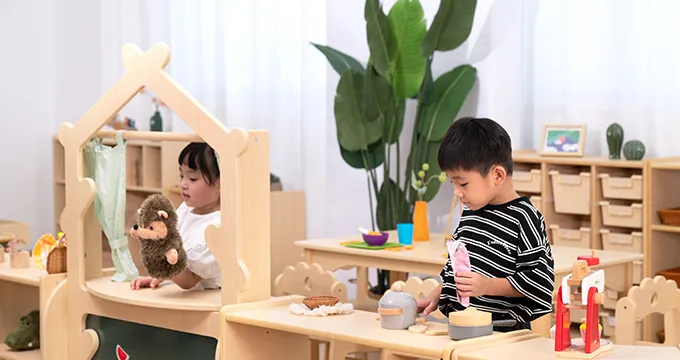
Preschool furniture endures relentless use: chairs are stacked, tables are scribbled on, cabinets are pulled open with enthusiasm, and storage units are loaded with toys and art supplies. Solid wood’s natural density and strength make it exceptionally impact-resistant—Feiyou’s solid wood cabinets can withstand accidental bumps and heavy loads without warping. The material’s breathability also prevents moisture buildup, a common issue in humid climates that leads to mold growth in poorly constructed furniture.
Plywood, however, shines in consistency. Its layered design minimizes shrinkage and expansion, making it ideal for furniture that requires precise dimensions, like multi-grid art cabinets or adjustable-height tables. Feiyou’s plywood furniture features thick, high-grade veneers (200-300g/m²) that resist scratches and stains, outperforming solid wood in high-wear areas like activity stations. In Vietnam, a Feiyou client reported their plywood art tables remained intact after three years of daily use, while solid wood tables required refinishing due to surface damage.
The choice here depends on usage patterns: solid wood excels in static, low-impact areas (e.g., reading nooks, storage cabinets), while plywood is better suited for dynamic, high-use zones (e.g., craft tables, playroom furniture).
Customization—Tailoring to Space and Brand
Preschools often have unique layout constraints and brand identities, making customization a non-negotiable feature. Feiyou’s tailored layout design service caters to both solid wood and plywood preferences, but each material offers distinct advantages. Solid wood’s natural grain and color variations add warmth to spaces, and it can be easily stained or painted to match a facility’s brand palette—perfect for preschools aiming for a homey, organic aesthetic.
Plywood’s uniform surface provides a blank canvas for more creative customization. Feiyou’s OEM/ODM capabilities allow for intricate cuts and modular designs, like mobile art stations with interchangeable components or double-sided cup holders that maximize small spaces. Plywood’s lighter weight also makes it easier to reconfigure layouts as classrooms evolve, a key benefit for growing daycare centers.
Cost-Effectiveness and Long-Term ROI
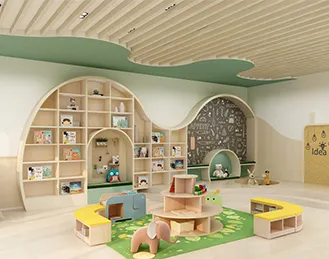
Budget considerations often tip the scales between solid wood and plywood. Solid wood’s higher material and manufacturing costs make it a premium option—ideal for preschools focused on luxury or eco-friendly branding. However, its longevity (Feiyou’s solid wood furniture has a 10+ year lifespan with minimal maintenance) offers strong ROI for facilities planning long-term operations.
Plywood provides a more budget-friendly alternative without sacrificing quality. Feiyou’s plywood line costs 30-40% less than solid wood, making it accessible for small daycares or bulk purchases (their MOQ allows mixed products in a 20GP container). When combined with plywood’s resistance to wear and tear, this translates to lower replacement costs over time—particularly for facilities with high turnover or frequent layout changes.
For facilities seeking a balance, Feiyou offers hybrid solutions: solid wood tops for tables (for natural feel) paired with plywood bases (for stability and cost savings). This approach leverages the strengths of both materials while keeping budgets in check.
Why Feiyou’s Solutions Outperform Generic Alternatives
While standalone solid wood or plywood furniture can meet basic needs, Feiyou’s preschool furniture line elevates the standard by integrating safety, durability, and customization into every piece. Unlike generic furniture that often cuts corners on material quality or craftsmanship, Feiyou uses only premium materials—from sustainably sourced solid wood to FDA-approved plywood adhesives—ensuring compliance with CE and SGS standards.
What truly sets Feiyou apart is their attention to detail: rounded corners on every product, anti-pinch drawer handles, fully wrapped chair feet, and thick plates that prevent bending. These features address real-world preschool challenges, from preventing stubbed toes to reducing noise during active play. Additionally, their 24/7 support and one-year warranty provide peace of mind, a stark contrast to budget brands that offer limited after-sales service.
Whether you choose solid wood for its natural safety or plywood for its durability and cost-effectiveness, Feiyou’s customization options ensure the final product aligns with your specific needs.
For those still on the fence, Feiyou’s sampling service allows you to test both materials in your classroom before committing. This hands-on approach, combined with their expert design guidance, takes the guesswork out of the decision-making process.
In the end, the choice between solid wood and plywood comes down to your priorities: natural safety and warmth (solid wood) or durability, customization, and cost-effectiveness (plywood). Feiyou’s commitment to quality ensures that whichever you choose, you’re investing in furniture that supports children’s growth while standing up to the demands of preschool life.






 English
 Español