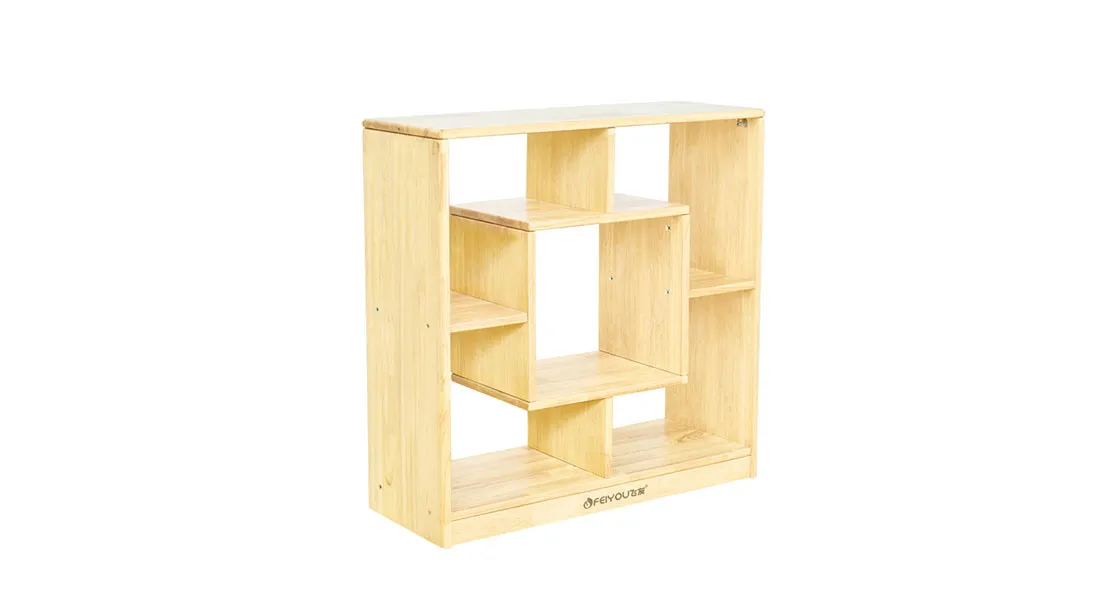
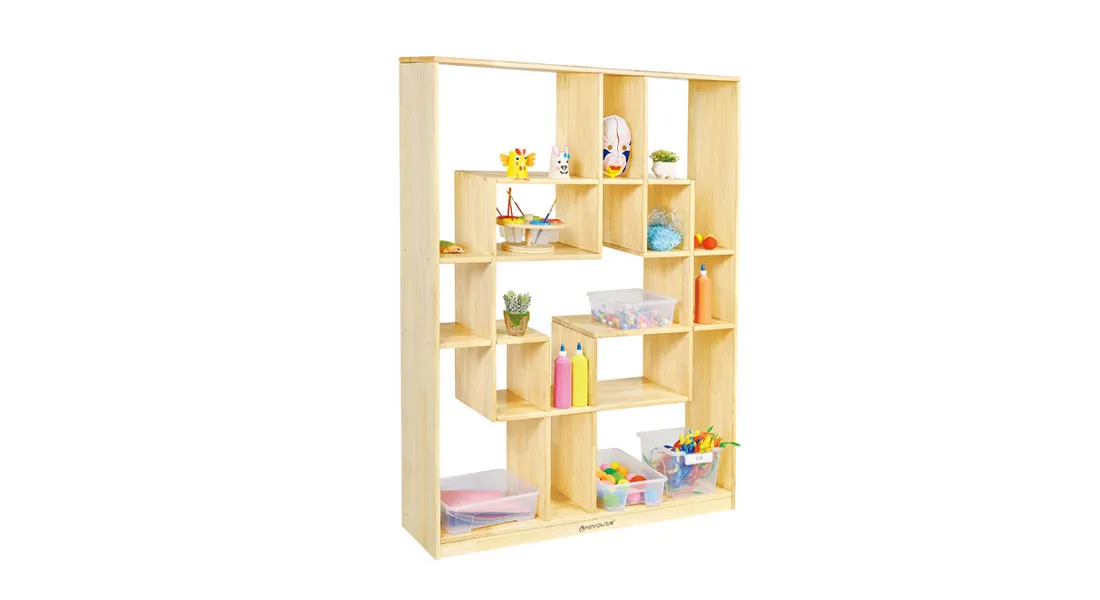
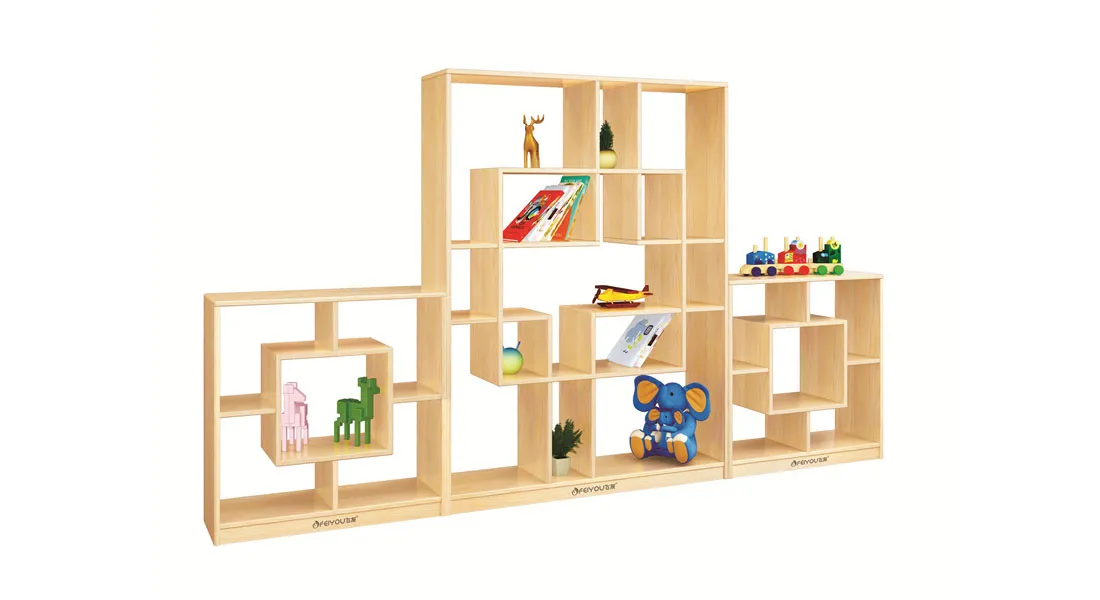
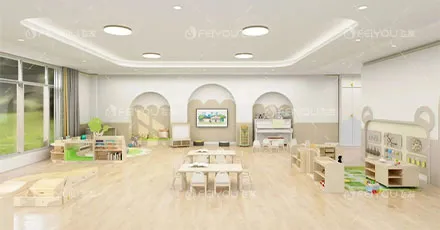
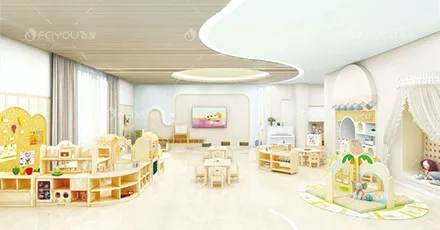
Selecting the right classroom furnishings is not only a purchasing decision but also a long-term investment in daily teaching efficiency, child safety, and space management. Well-designed Kindergarten furniture directly affects how children interact with their environment, how teachers organize activities, and how facilities manage maintenance costs over time. This article focuses on one clear dimension: how functional design and durability standards help buyers make confident, sustainable decisions.
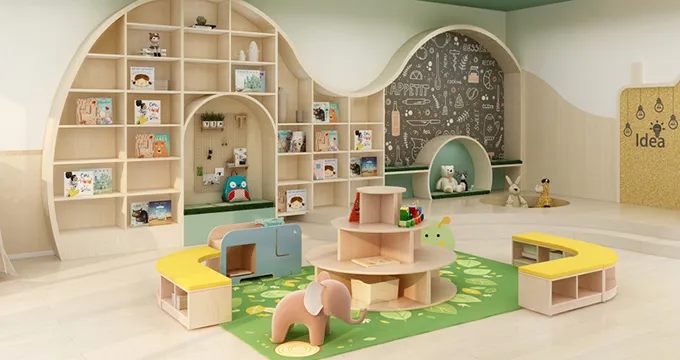
Why Functional Design Matters in Early Learning Spaces
In early childhood settings, furniture is used intensively every day. Tables, chairs, storage units, and activity cabinets must support frequent movement, group learning, and independent play. Poorly designed items can disrupt classroom routines or create safety risks.
High-quality preschool furniture prioritizes child-scale proportions, rounded edges, and stable structures. These design principles help children sit, move, and interact naturally without constant adult correction. For buyers, functionality means fewer replacements, lower repair frequency, and smoother classroom management.
Durability as a Cost-Control Strategy
Durability is often misunderstood as thickness or weight alone. In practice, it depends on material selection, structural design, and surface treatment. Well-manufactured daycare furniture typically uses engineered wood panels or solid wood combined with reinforced joints, ensuring resistance to daily impact and frequent cleaning.
From a procurement perspective, durable furniture reduces total lifecycle cost. Products that maintain structural integrity over years of use minimize downtime, reduce safety inspections, and support consistent classroom layouts without ongoing adjustments.
Material Choices and Safety Compliance
Material transparency is essential for buyers responsible for child safety. Early learning furniture should use finishes and adhesives that comply with international safety standards for emissions and surface coatings. Smooth surfaces that resist moisture and stains also support hygiene routines without aggressive chemical cleaning.
Reliable early childhood furniture suppliers provide clear material specifications and consistent quality control rather than relying on decorative claims. This approach helps institutions meet regulatory requirements while maintaining a healthy indoor environment.
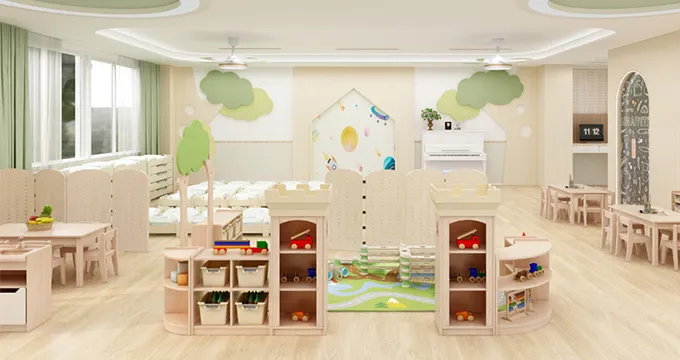
How Professional Manufacturers Support Project Buyers
Experienced manufacturers understand that furniture selection is often part of a larger space-planning process. Companies like Feiyou Furniture focus on standardized production combined with customization options, allowing buyers to align furniture layouts with classroom size, teaching style, and storage needs.
Rather than emphasizing short-term aesthetics, professional suppliers prioritize modular compatibility, consistent sizing, and long-term availability. This ensures that future expansions or replacements integrate seamlessly into existing classrooms.
Procurement Tips for Long-Term Classroom Efficiency
When evaluating Kindergarten furniture, buyers should focus on three practical factors: ease of maintenance, adaptability to different teaching activities, and supplier reliability. Furniture that supports multiple uses—such as learning, dining, and group work—adds operational flexibility without increasing inventory complexity.
Clear product documentation, stable production capacity, and responsive after-sales support are also key indicators of a dependable supplier relationship.
Conclusion
Functional design and durability are not abstract concepts; they directly affect daily classroom operations and long-term budget planning. By focusing on structure, materials, and supplier capability, buyers can select furniture solutions that remain reliable throughout years of intensive use.
For classroom solutions designed specifically for real-world educational environments, please visit the Feiyou Kindergarten Furniture product page. We have provided kindergarten furniture solutions to over 50,000 kindergartens, schools, and communities worldwide.






 English
 Español