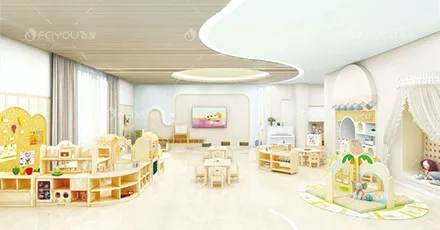
Walk into any struggling daycare, and you will see the same silent killer of pedagogy: frozen floor plans. A director once told me, "I bought beautiful built-in cabinets three years ago. Now I have eighteen four-year-olds who need napping cots, and the cabinets are bolted to a wall that should be a reading nook." That moment of regret happens weekly in centers across the country.
The debate between permanent installations and reconfigurable setups isn't about aesthetics. It is about how you answer three brutal questions: Will your enrollment age shift? Will licensing ratios change your room layouts? And do you have the budget to rip out carpentry in eighteen months?
The Hidden Cost of "Forever" Furniture
Let me name the elephant in the playroom. Permanent millwork feels solid. It signals investment. But according to industry data from the National Association for the Education of Young Children (NAEYC), nearly 40% of daycare centers alter their classroom configuration within two years of opening . Why? Because the toddler-to-preschooler ratio changes. Because a new director arrives with a different philosophy. Because that wall you thought was structural? It isn't.
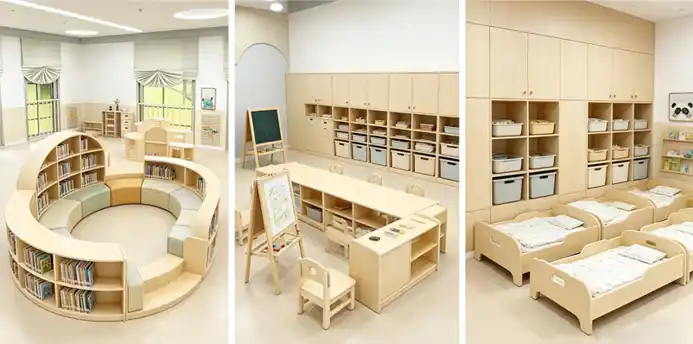
Fixed installations excel at one thing: durability. They don't wobble. They withstand heavy daily use from twenty-five children climbing, jumping, and leaning. However, they fail catastrophically at adaptability. Once bolted down, a corner reading unit becomes a permanent obstacle. You cannot slide it aside for a morning circle. You cannot remove it to install a sensory play mat.
When Adaptability Saves Your Sanity
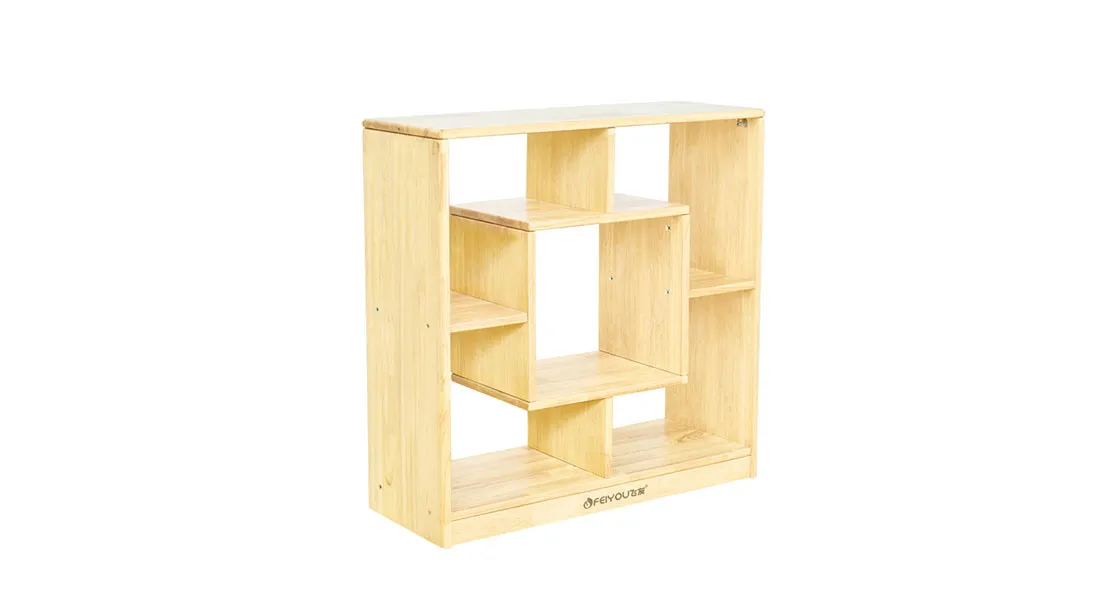
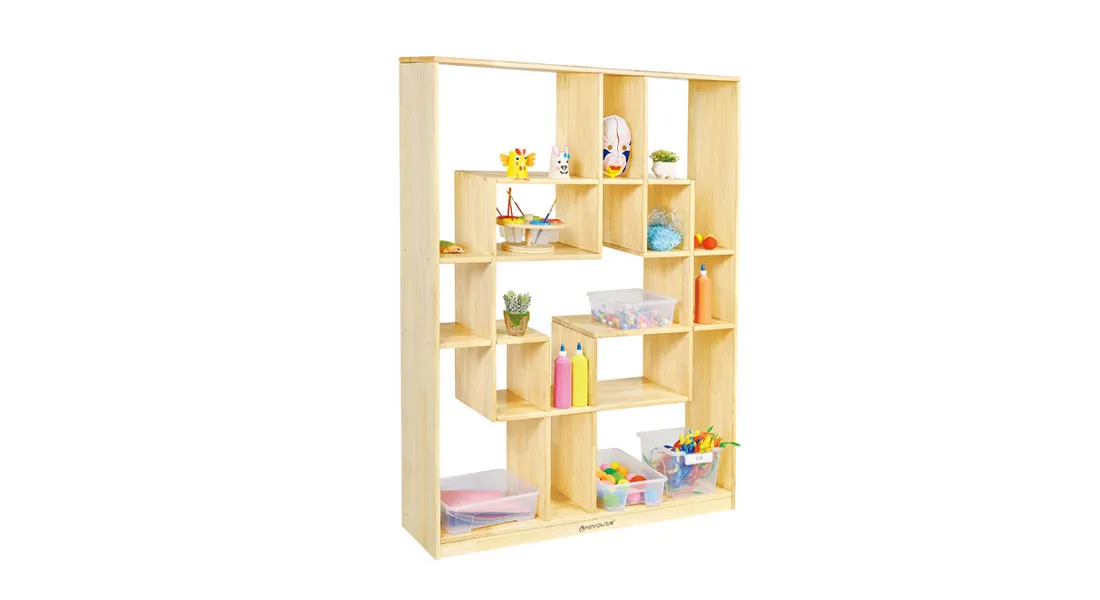
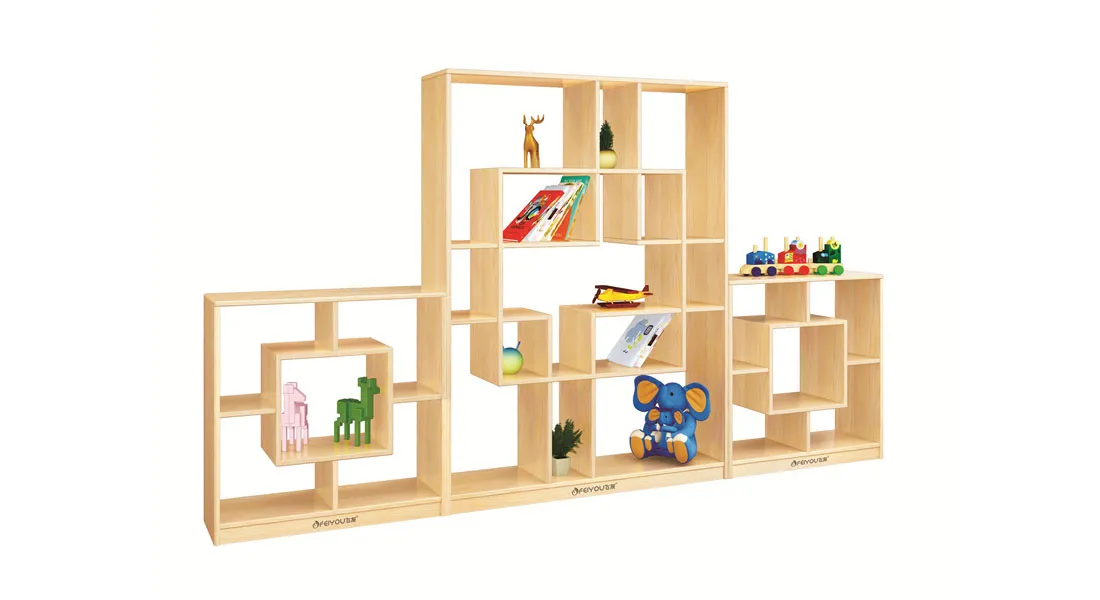
Now consider the alternative approach. Reconfigurable components operate like a three-dimensional puzzle for grown-ups. A mobile storage tower today becomes a room divider tomorrow. A low shelf unit on casters transforms from block storage to puppet theater during transition time.
I recently visited a facility that switched from built-ins to wheeled learning stations. The director showed me a time-lapse video of her staff rearranging an entire classroom in eleven minutes. "Last year," she said, "moving one fixed cupboard required a handyman and three hours. Now we change layouts every month based on the children's interests."
The Safety Calculus No One Discusses
Here is where the decision gets uncomfortable. Corner protection and impact resistance differ dramatically between the two approaches.
Permanent furniture, when installed correctly, offers superior stability against tip-overs. The Consumer Product Safety Commission (CPSC) reports that furniture tip-over incidents send approximately 2,300 children to emergency rooms annually . A fixed bookshelf bolted to wall studs is statistically safer than a freestanding unit during an earthquake or a twenty-child wrestling match.
However, fixed units present their own hazards. Their edges, even if rounded, cannot be moved away from high-traffic zones. If you install a built-in changing table adjacent to the sink, you cannot later decide that traffic flow would be safer elsewhere. Adaptable furniture allows you to test layouts. You can observe collision points for a week, then shift pieces accordingly.
Navigating Regulatory Requirements
Licensing inspectors look for specific compliance markers. ASTM F2373-21 standards for play yard components emphasize entrapment prevention and protrusion limits . Fixed furniture often passes these tests easily because it lacks moving parts. Modular systems require more vigilance. Every caster must lock. Every detachable panel must resist removal by small fingers.
Yet here is the insider secret: Inspectors increasingly favor evidence of responsive design. A center that can demonstrate quarterly layout adjustments based on incident reports appears more professionally managed than one with a static, decades-old floor plan. Flexibility signals active safety management.
The Financial Reality Check
Let me share a calculation that most budget worksheets ignore.
Permanent solution upfront cost: Higher. Installation adds 30-40% to material prices.
Modular solution upfront cost: Lower. You assemble and rearrange yourself.
But the five-year total cost of ownership flips the script. Fixed furniture depreciates rapidly if your space usage changes. Modular components retain resale value. I have seen centers recover 50-60% of their original spend by selling reconfigurable storage systems to startup daycares.
One facility director told me, "I treat my movable shelves like LEGOs. Every year, I photograph three different room arrangements and post the best one online. Parents love seeing that we evolve with their children."
How to Choose Without Regret
Stop asking "Which type is better?" Start asking these four diagnostic questions:
-
What is your student age range right now? Infant rooms benefit from fixed diaper-changing stations. Mixed-age Montessori spaces need adaptability.
-
Who owns the building? Renters should never install permanent cabinetry. Landlords rarely reimburse for removal costs.
-
How often do you plan to seek re-accreditation? NAEYC accreditation values demonstrated responsiveness to children's changing needs.
-
Do you have storage space for unused modules? Adaptability requires keeping extra panels and connectors somewhere dry.
The Middle Path Most Professionals Take
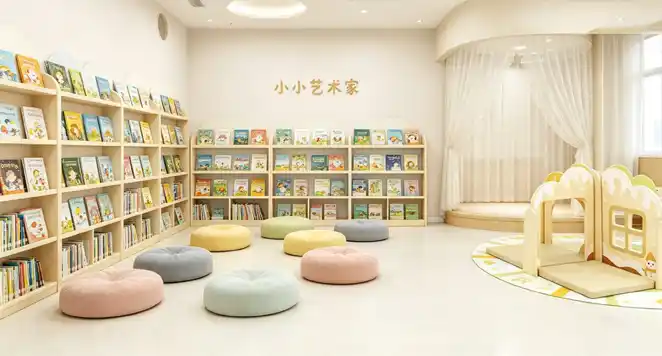
After a decade observing successful centers, the smartest operators choose hybrid strategies. They install permanent sinks and bathroom fixtures (non-negotiable plumbing) but use wheeled storage units for all educational materials. They build fixed shelving for heavy items like nap cots but keep portable room dividers for activity zones.
If you want to explore professionally engineered solutions that balance durability with reconfigurability, click here to see specific hybrid configurations that include locking casters, rounded safety edges, and interchangeable panel sizes.
Final Verdict: Match the Decision to Your Risk Profile
The wrong choice here hurts children indirectly. Not through immediate injury, but through caregiver frustration. Tired teachers don't supervise well. Frustrated directors cut corners on maintenance. A layout that worked last year but feels cramped today creates behavioral problems that manifest as accidents.
Trust the data from your own incident reports. If you see recurring collisions at specific spots, you need adaptability. If your facility operates like a well-oiled machine with stable enrollment, permanence might serve you better.
For most growing centers, the safe bet is modular components with anti-tip hardware and replaceable wear surfaces. You can always bolt them down later. You cannot un-bolt a built-in without damage.
Explore the full range of adaptable, safety-certified daycare furniture here.






 English
 Español